

What I Know: The Next Best Attraction Is Already There—It Just Hasn’t Been Recognized Yet
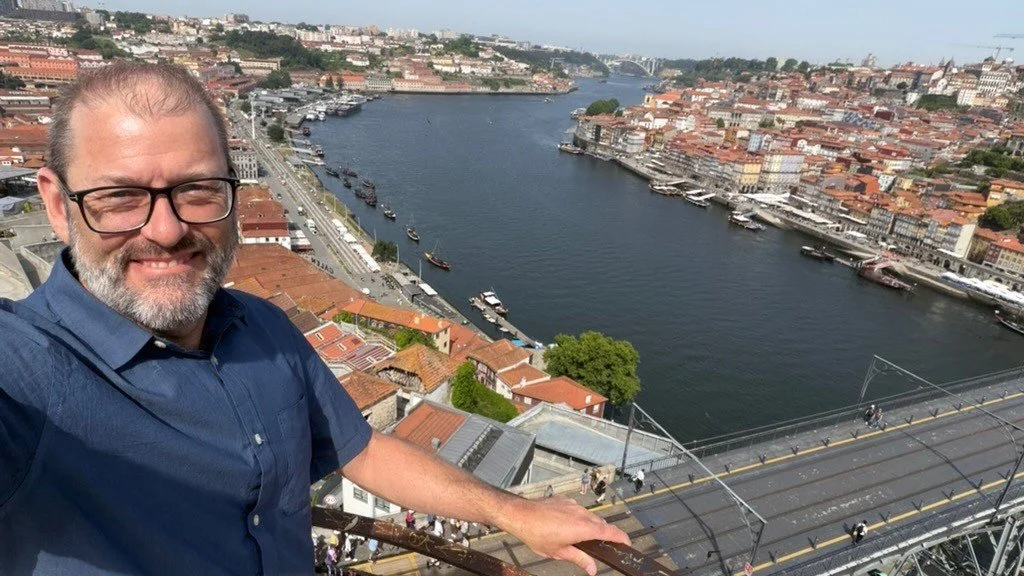
Every destination has those places visitors feel they must see.
In Paris, it’s the Eiffel Tower or the Louvre. In Italy, it’s the Colosseum or the Leaning Tower of Pisa. In Portugal, for me it was the Belém Tower, the Monument of the Discoveries, the Dom Luís I Bridge over the Duoro River in Porto, and the Cristo Rei statue overlooking Lisbon. In Canada, it's the Rocky Mountains in Alberta, or Peggy's Cove in Nova Scotia.
We recognize these instantly as attractions because they’ve been named, preserved, and positioned that way.
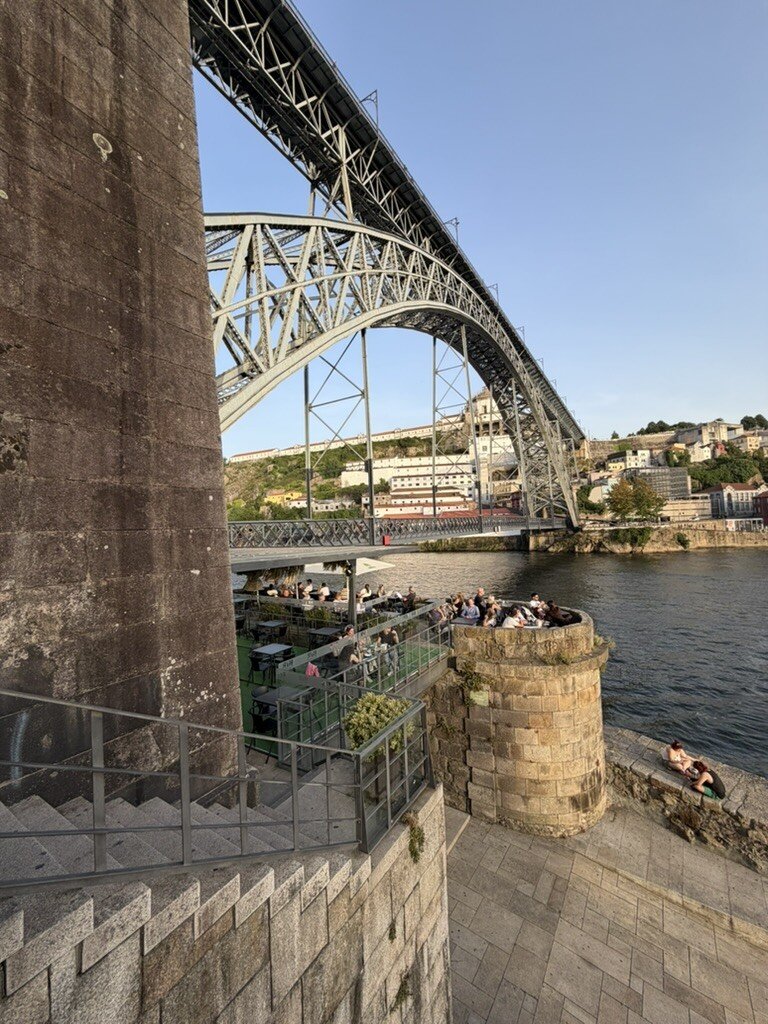
The iconic Dom Luís I Bridge in Porto was built between 1881 and officially completed and opened on October 31, 1886.
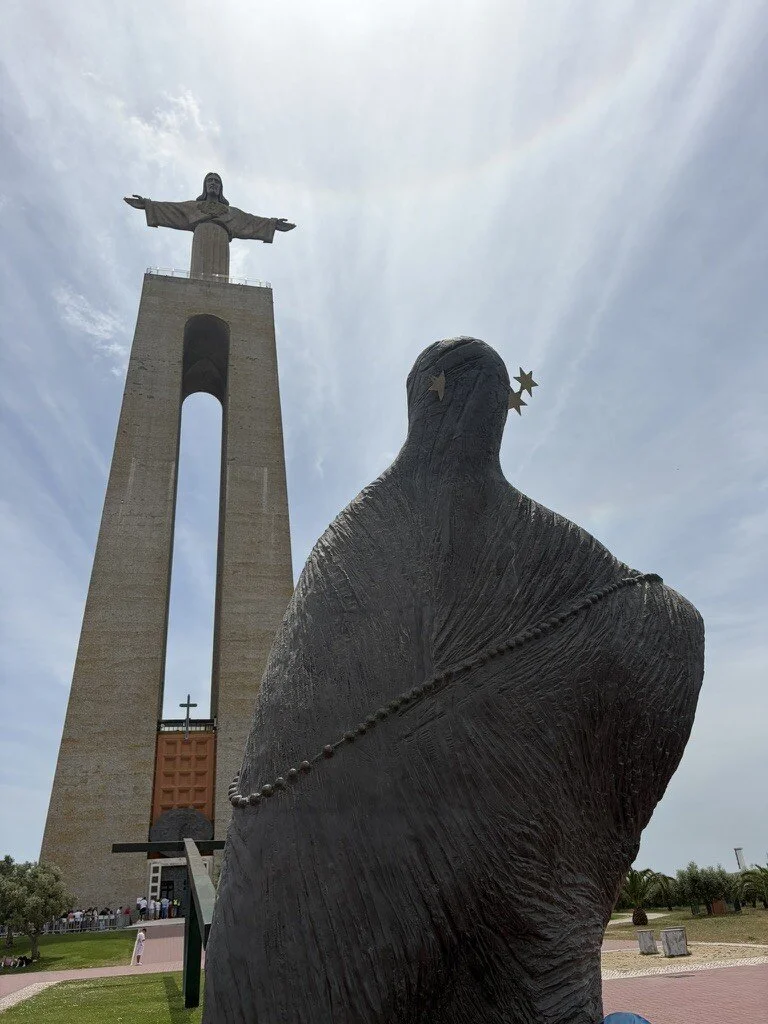
Cristo Rei statue overlooking Lisbon - built over a ten-year period from December 1949 to May 1959
But here’s the real question:
What about your destination?
What are the places visitors absolutely need to see, experience, or photograph—and do you actually recognize them as attractions?
What I’ve learned through years in destination development is this: most places don’t lack attractions. They lack recognition of what already qualifies as one.
We know about the attractions that Mother Nature has provided through stunning landscapes, mountains, rivers, and coastlines. But what about the attractions that aren't quite as obvious?
Perhaps it's a building with architectural or historical significance whose story has never been properly told. An outstanding viewpoint overlooking a city that residents pass every day without a second thought. A relaxing riverfront, a street that transports visitors back in time, or an inviting public space that could become a defining visitor moment if it was thoughtfully designed, activated, or connected to its story.
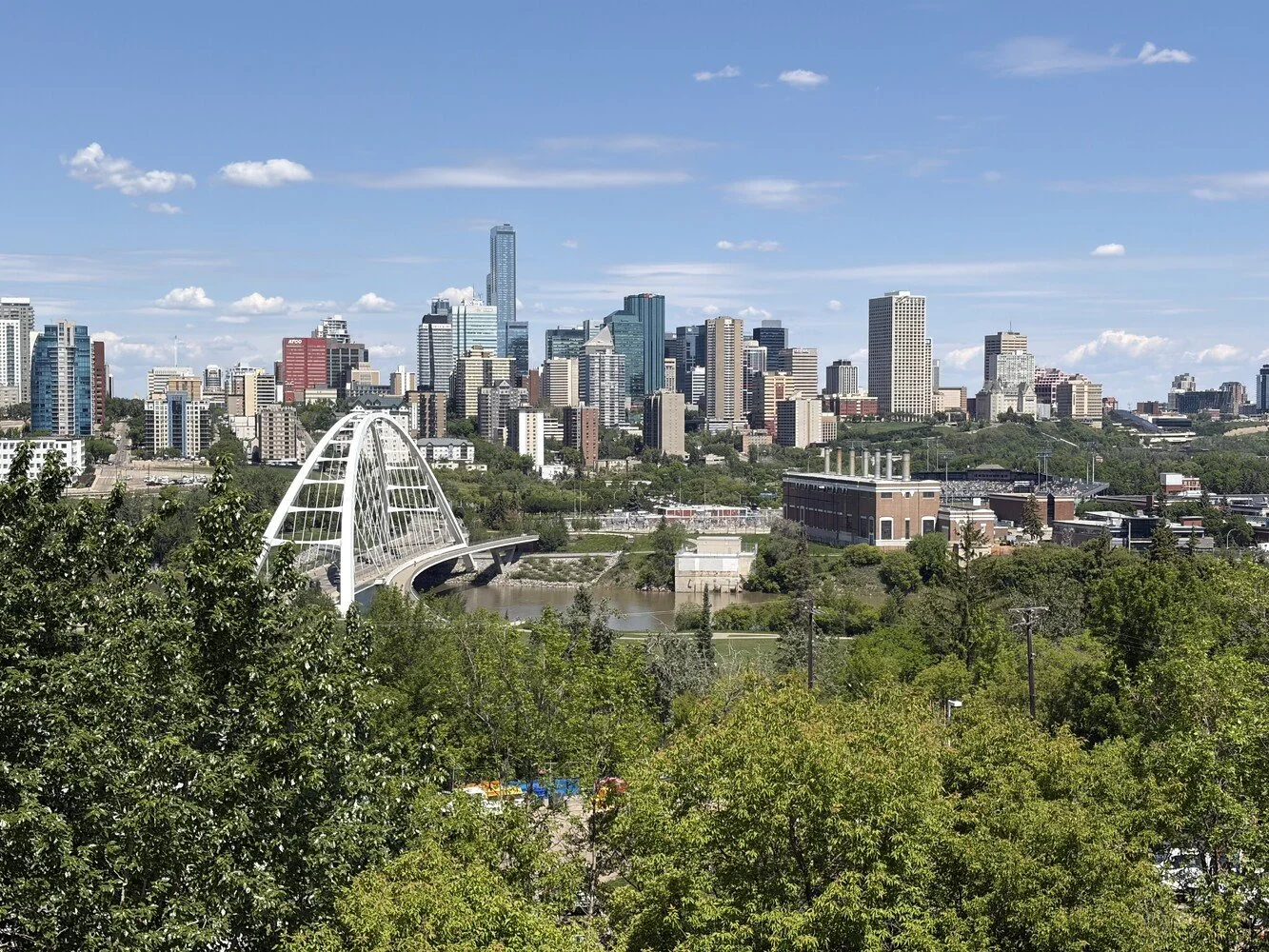
City of Edmonton - River Valley and Downtown Views from Saskatchewan Drive
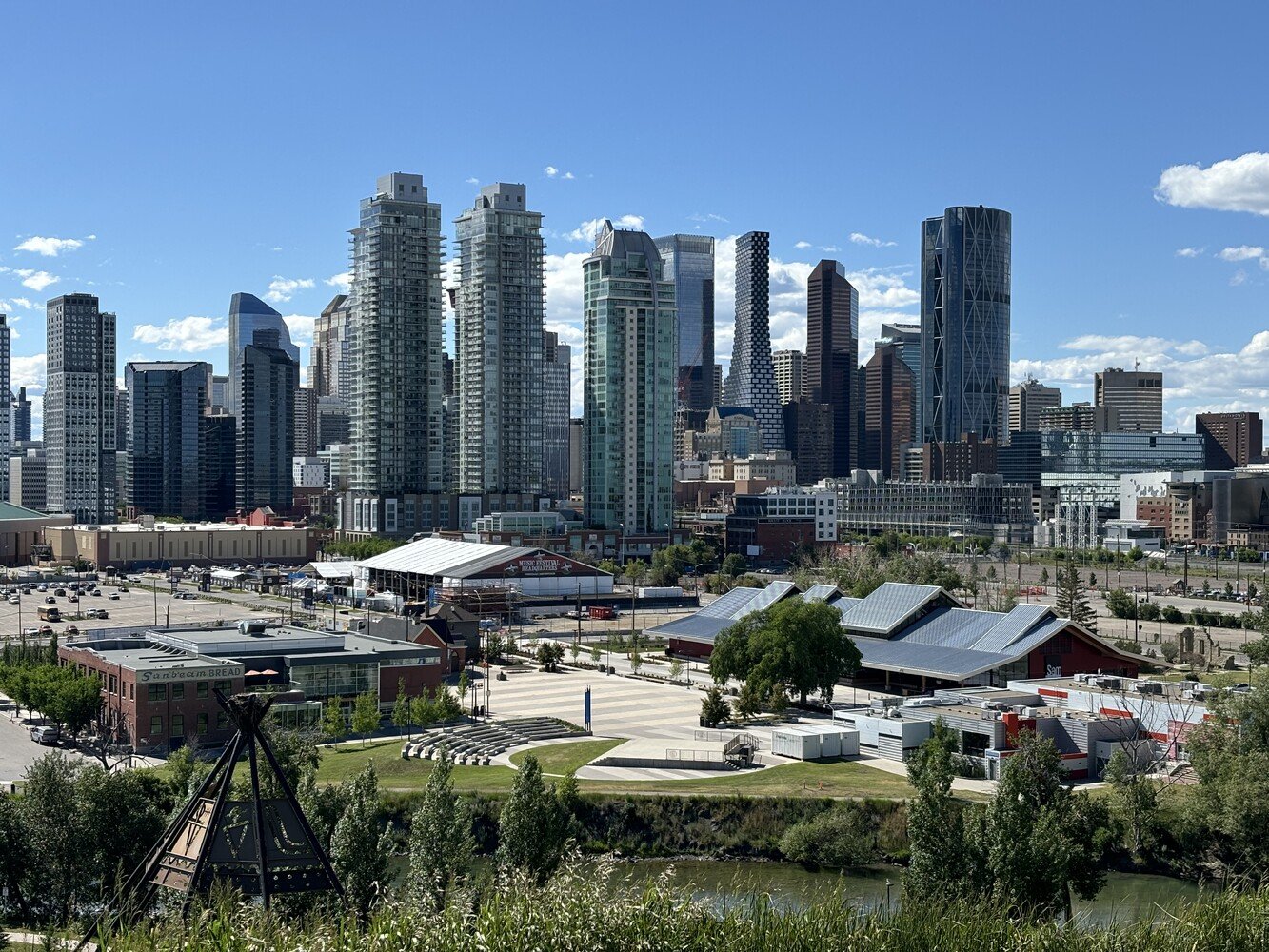
City of Calgary - Stampede Grounds
What are the places a visitor must see if they come to your community?
If family and friends were coming to visit, where would you take them? What would you show them to make them appreciate the place you call home?
Here’s a simple test.
Try building a two-day itinerary in your own community that includes five must-see attractions.
Not activities. Not services. Actual places someone would travel to see.
If you struggle with it, it’s not because your destination has nothing—it’s because the attractions haven’t been clearly defined yet.
And if you can do it, push it further. Walk the journey.
How does a visitor move between those places? Where do they go next? Where do they stop for food, coffee, or rest? What connects these attractions into a meaningful story?
Because that’s what a destination really is—not a list of places, but a connected experience of attractions.
Recently, I traveled through Portugal, and what stood out wasn’t just the number of things to see—it was how clearly everything had been identified, preserved, and positioned as worth seeing.
Many of the attractions were connected through walkable routes, with food, drink, and gathering places in between. The experience wasn’t fragmented—it was intentional.
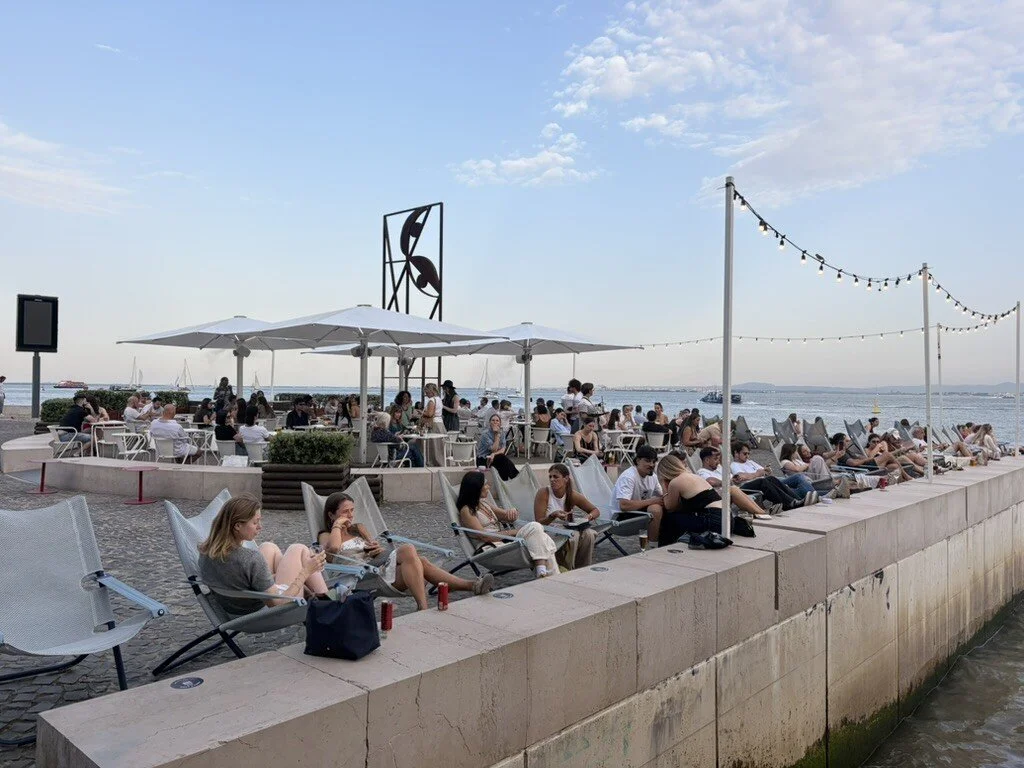
Restaurant Patio on the river promenade in Lisbon - in between attractions
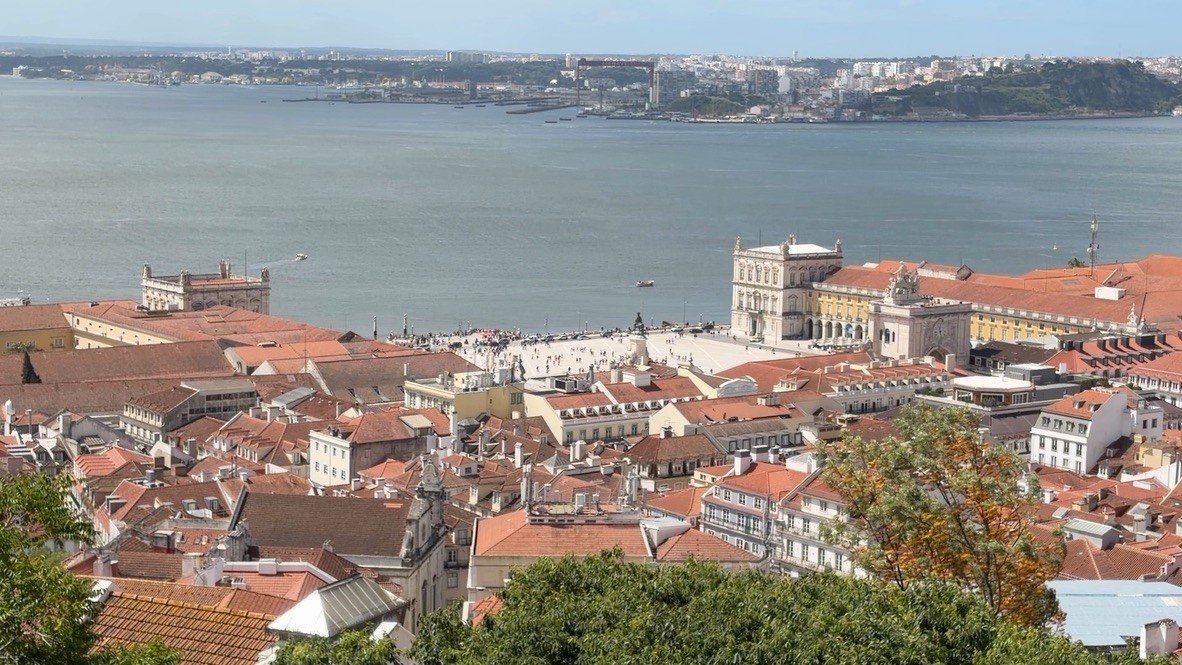
The Praça do Comércio in Lisbon was primarily constructed in the late 18th century
That’s the difference.
A historic bridge isn’t just infrastructure—it becomes a viewpoint. A square isn’t just public space—it becomes a gathering point. A building isn’t just old—it becomes a story.
Portugal didn’t create attractions everywhere. It recognized them.
And that’s the shift most destinations miss.
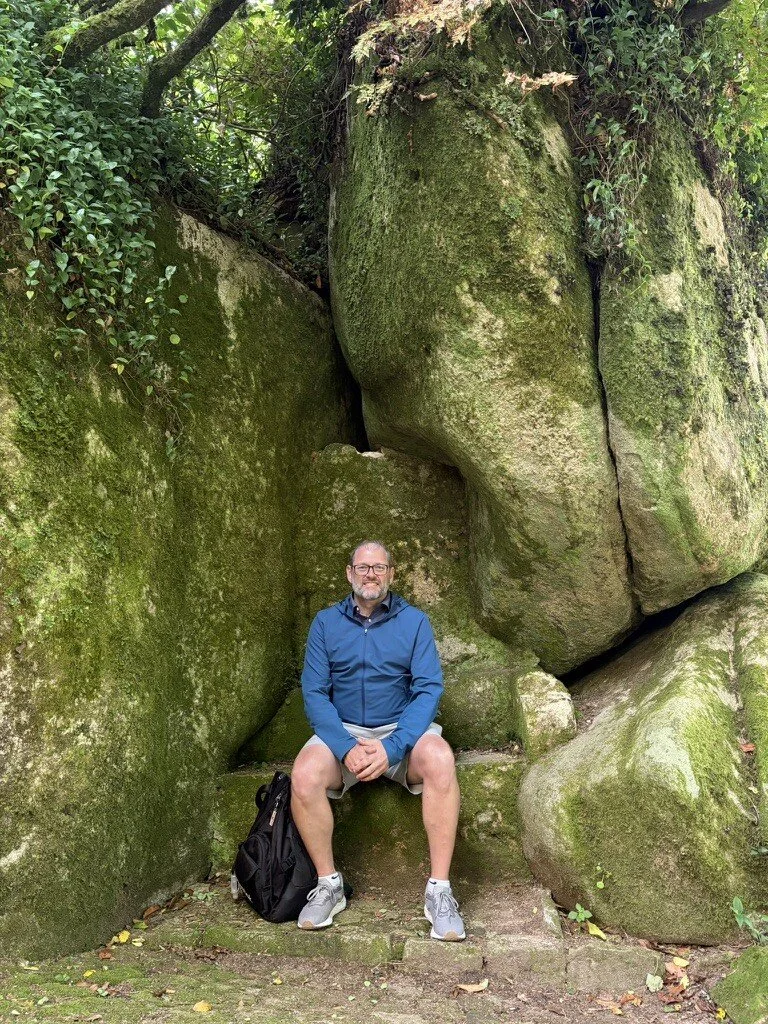
Gardens below Pena Palace, Sintra—developed over four decades (1838–1878).
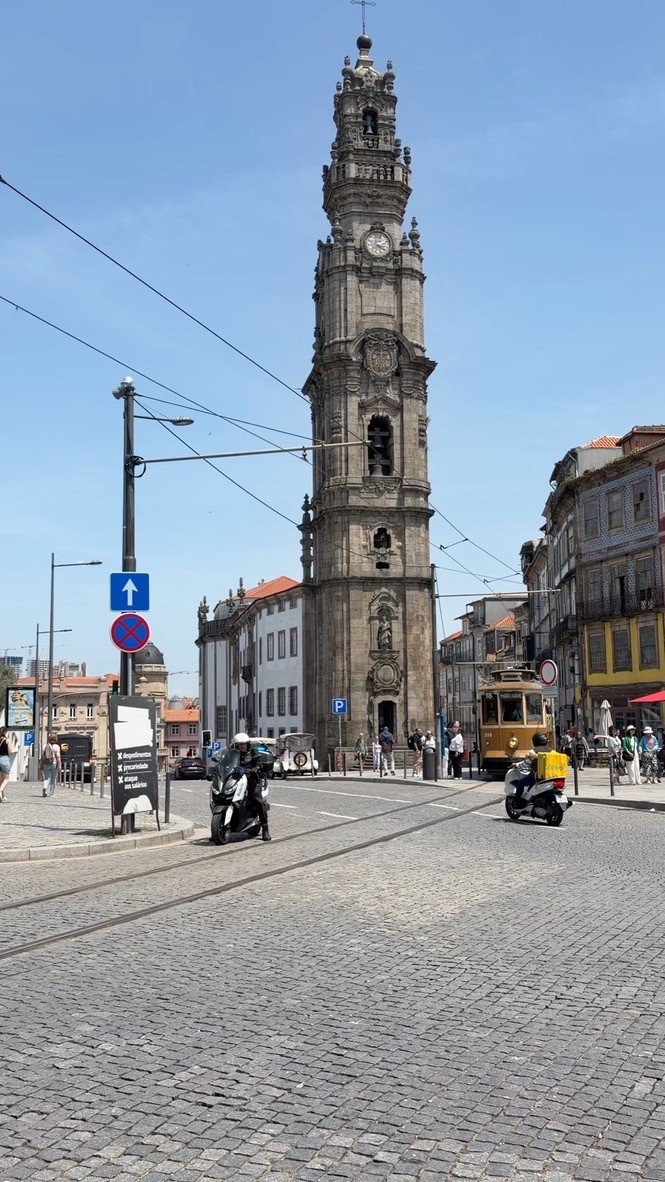
The Clérigos Tower (Torre dos Clérigos) in Porto, Portugal, was built between 1754 and 1763
In some communities, there may also be gaps or opportunities—places where a future attraction has yet to be created. Those opportunities may require vision, investment, development, and the right partners to bring them to life.
But before deciding what needs to be built, the greater opportunity often comes from recognizing the attractions that already exist.
An overlooked riverfront. A historic street. A local landmark. A viewpoint passed every day without notice.
Individually, they don’t always feel like attractions.
But once they are identified, preserved, and connected, they become reasons for someone to travel—and stay longer.
That’s what strong destinations understand.
Attractions are not always created. They are revealed.
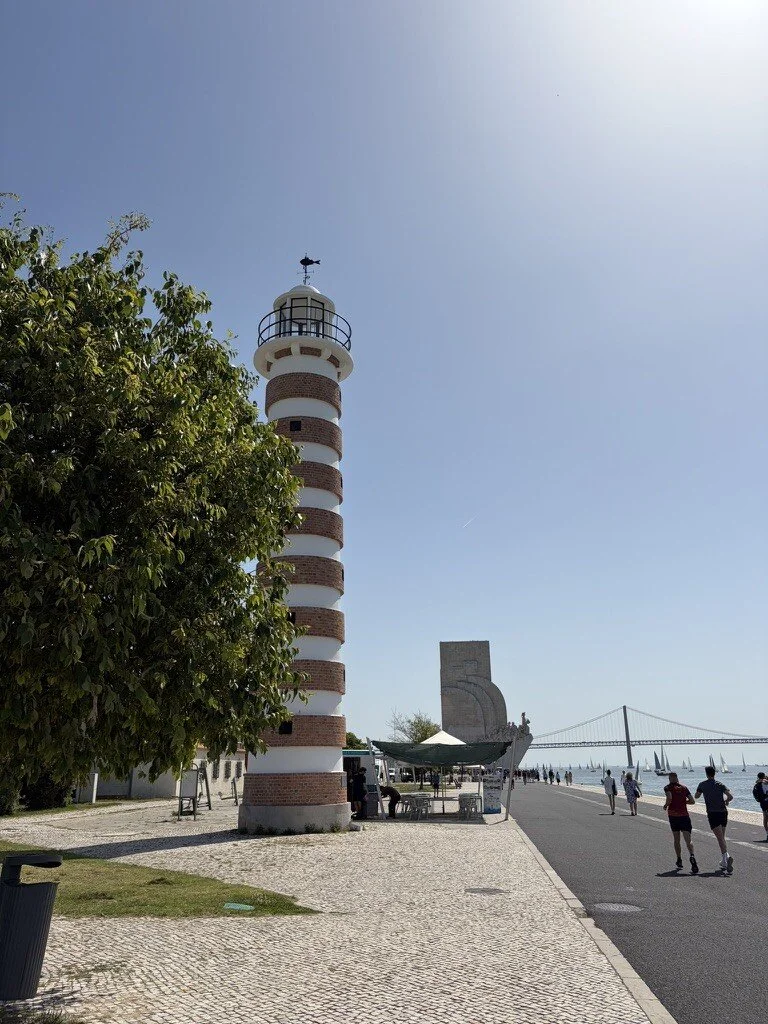
Lighthouse on Tagus River promenade (located between the Belém Tower & the Monument of the Discoveries) built in 1940.
So the next time you travel, pay attention to what you instinctively call an attraction.
Then come home and ask a harder question:
What in your own community deserves to be called one?
What I know: the opportunity is simple.
Some new attractions are not so new, they are already there.
They’re just waiting to be seen.
