

What I Know: The Journey Between Attractions Matters More Than You Think
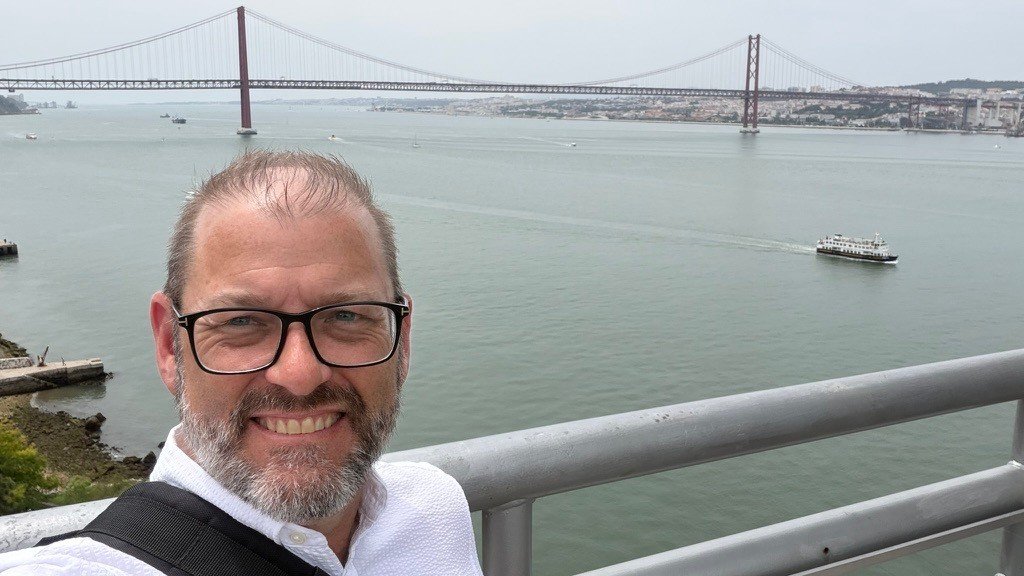
Planes, trains, and automobiles… oh, and cable cars, streetcars, trams, ferries, funiculars, commuter trains, ride-shares, and let's not forget your own two feet.
When we think about planning a trip, we often focus on attractions, restaurants, accommodations, and experiences. But one of the biggest factors in determining whether a trip is enjoyable is something much less glamorous: transportation.
A destination can have incredible attractions, but if it's difficult, expensive, or frustrating to get around, it can quickly diminish the visitor experience.
One thing I've learned through my travels is that the best destinations make movement easy. They give visitors options. Whether it's public transit, ferries, cable cars, commuter rail, rideshare services, bike paths, or walkable streets, having choices allows travellers to spend less time worrying about logistics and more time enjoying the destination.
Portugal has been a perfect example of this.
From the moment I landed, it felt like the country was designed to keep visitors moving.
Before leaving home, I downloaded Bolt, a rideshare app similar to Uber and widely used throughout Portugal. While every rideshare platform has its occasional challenges, Bolt proved to be reliable, affordable, and convenient. It became my secondary mode of transportation throughout the trip.
My primary mode?
Walking.
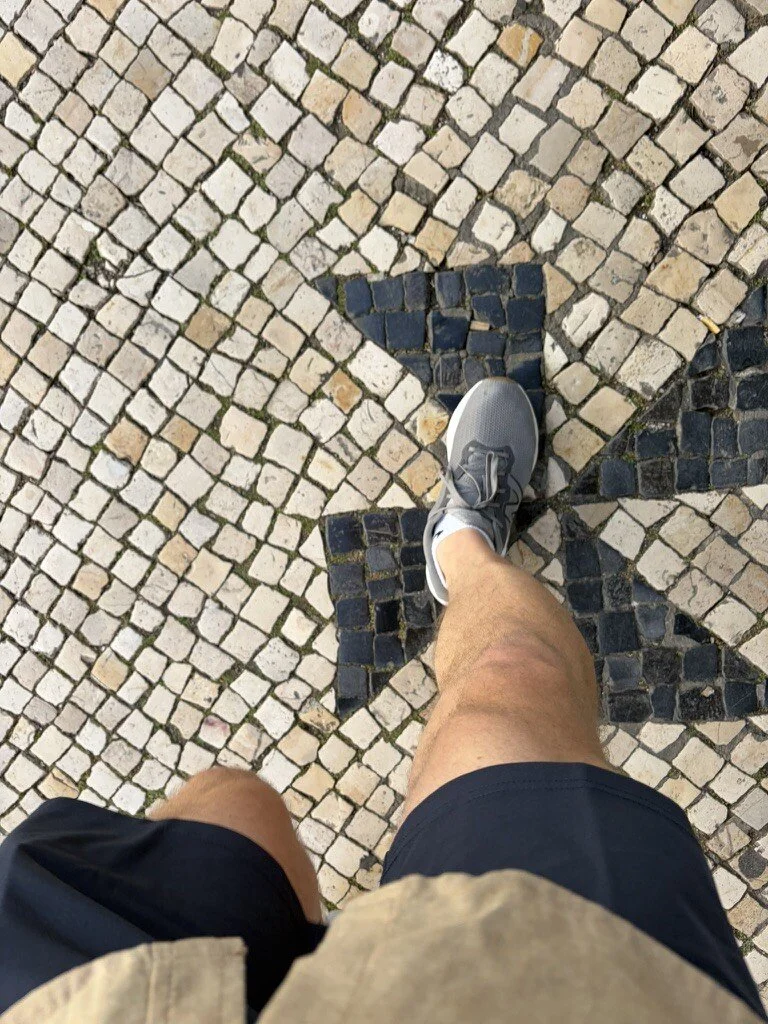
What I quickly discovered is that Portugal is incredibly walkable—provided you're willing to embrace a few hills.
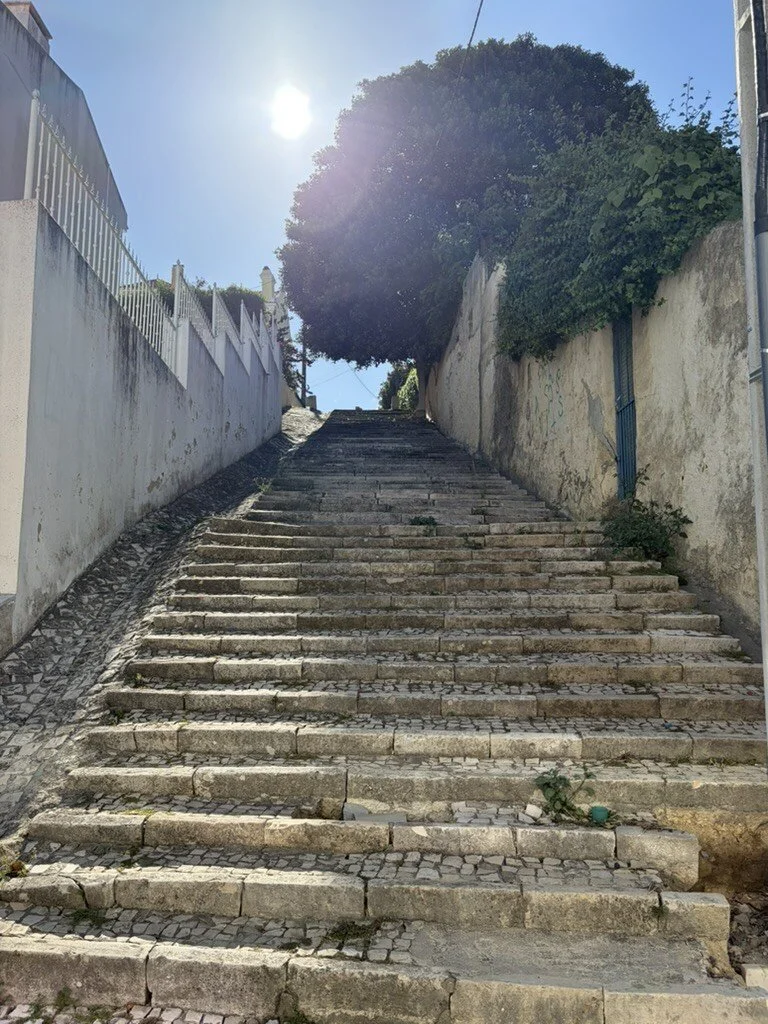
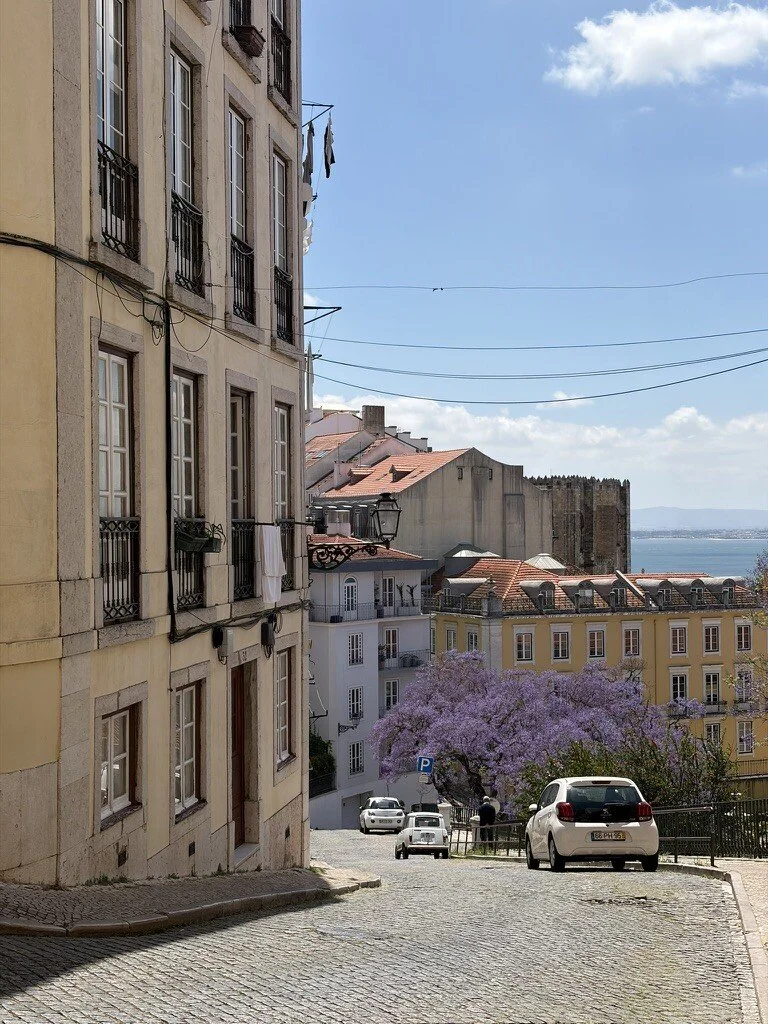
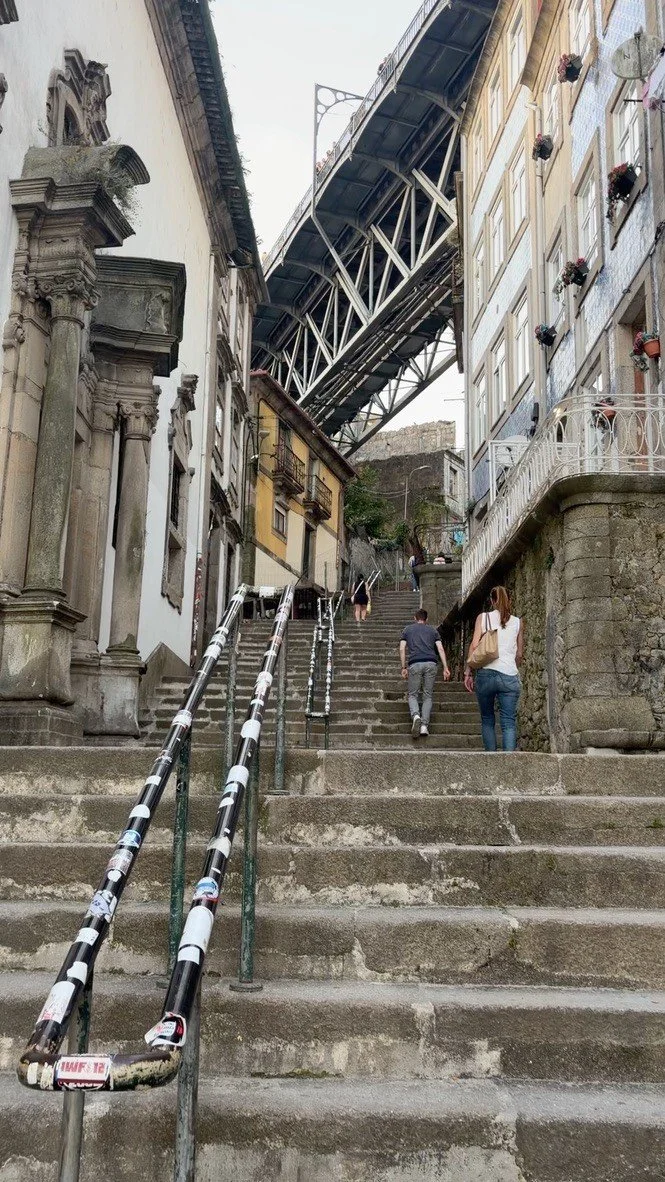
My first stop was Lisbon, a city famous for its steep streets, endless staircases, winding laneways, and beautiful cobblestone roads. Yet despite the elevation changes, it was remarkably easy to explore on foot.
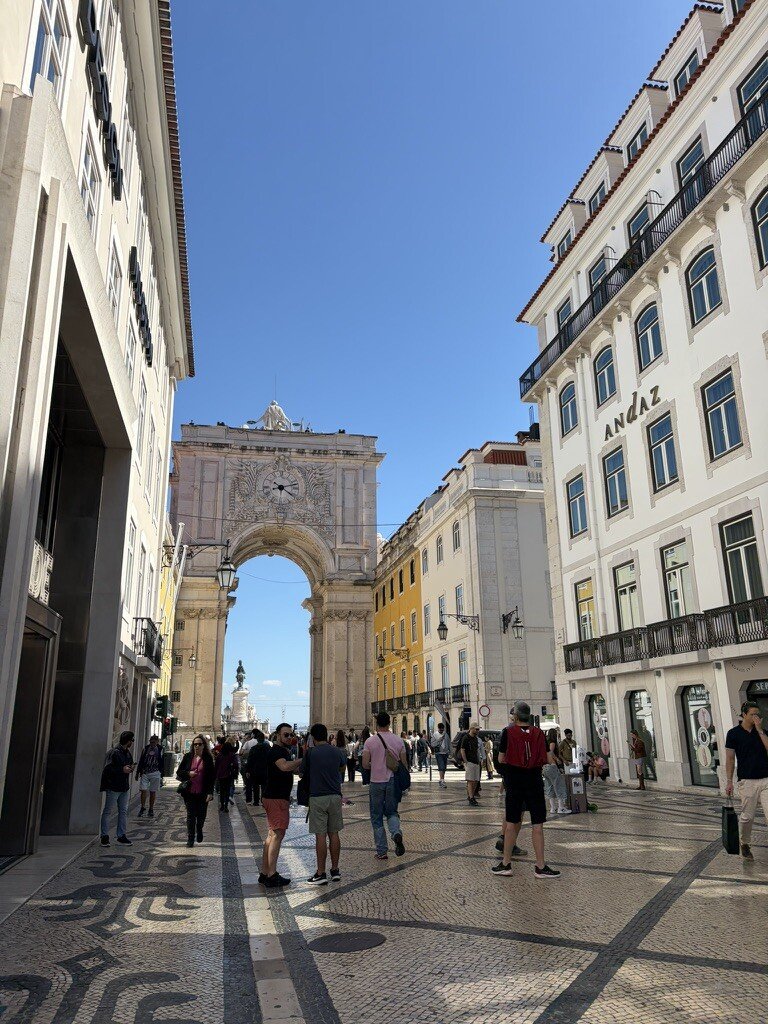
Rua Augusta Arch
In fact, walking became part of the experience rather than simply a way to get from one attraction to another.
Every street seemed to offer something worth stopping for—a viewpoint overlooking the city, a local café, the sound of live music drifting from a nearby square, the astonishing sight of centuries-old cathedrals welcoming visitors inside, the smell of fresh pastries coming from a bakery, or a hidden shop tucked into a narrow alley.
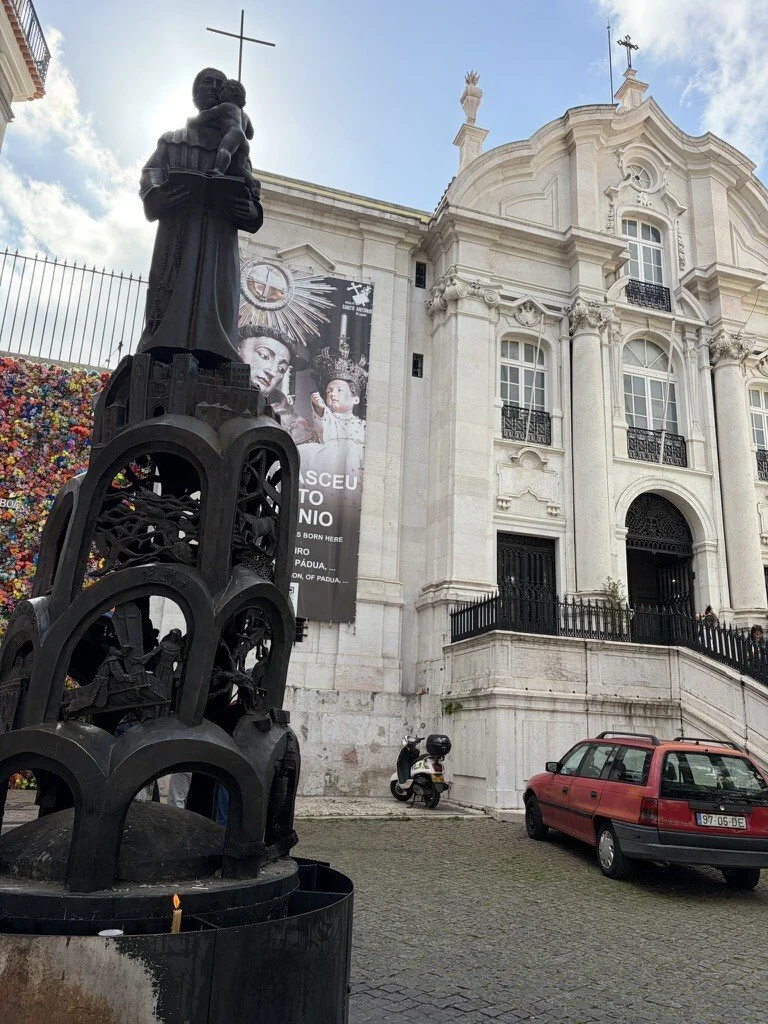
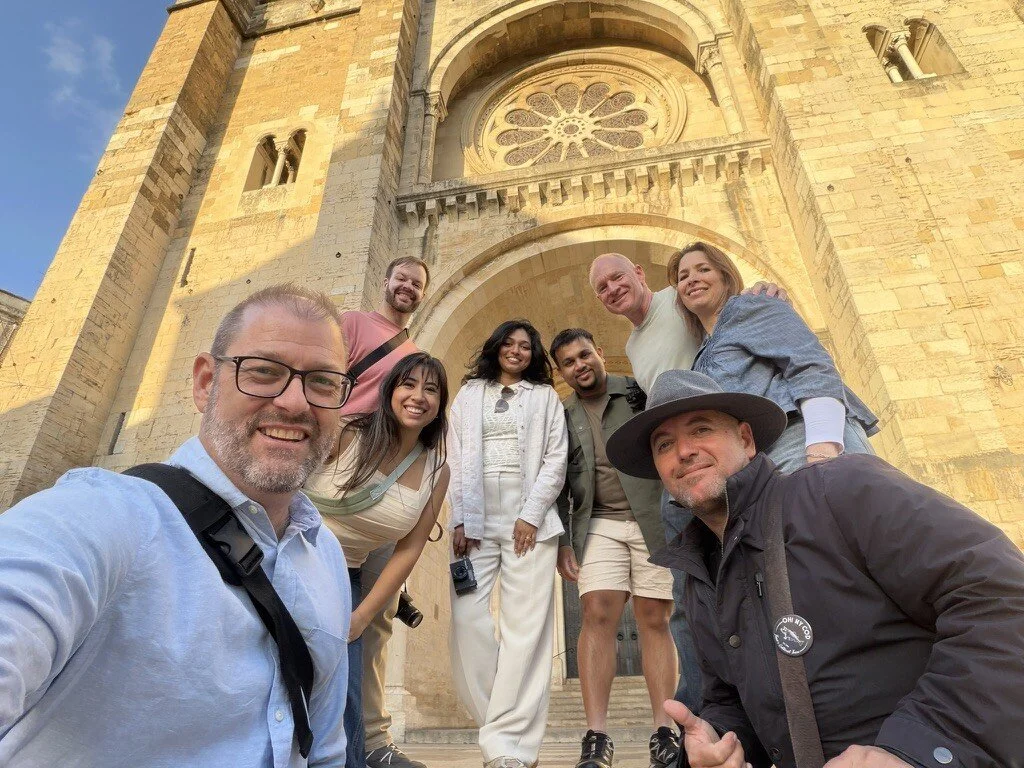
Igreja de Santo Antonio de Lisboa
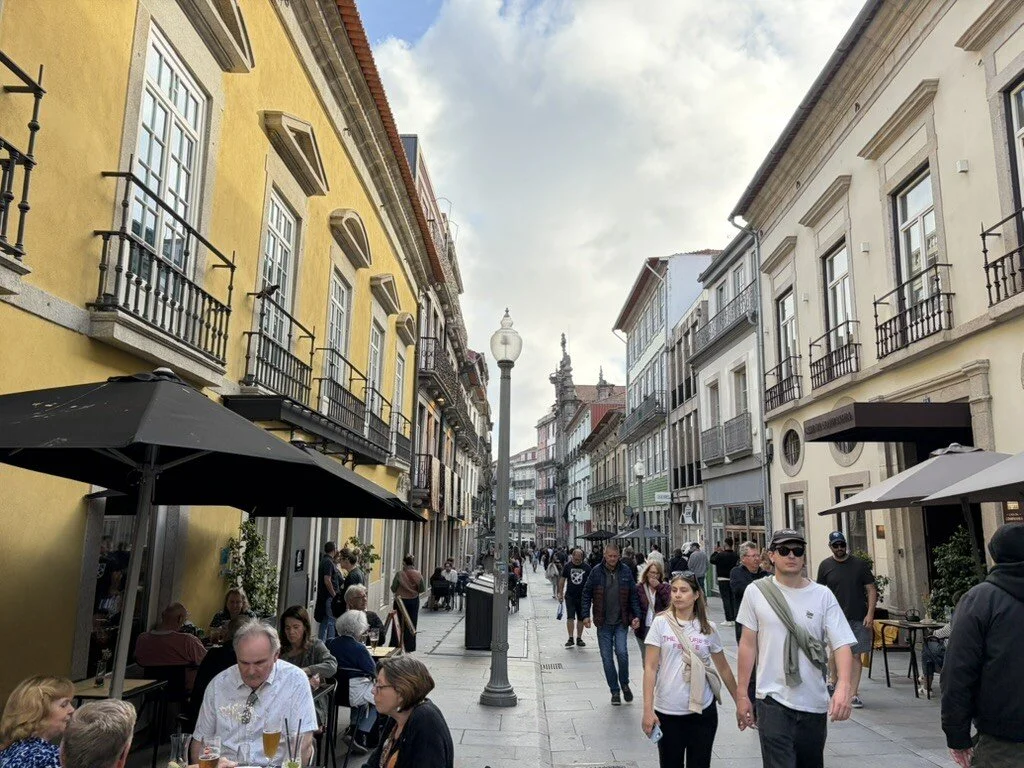
Lisbon
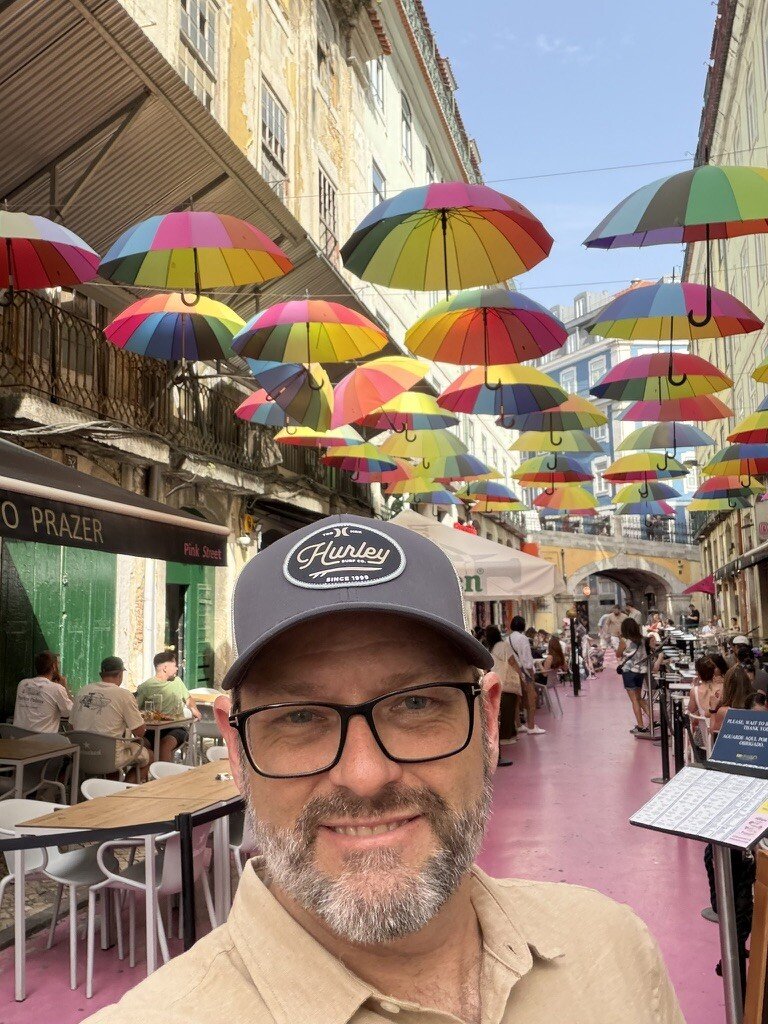
Pink Street, Lisbon
What also stood out was how much quieter the experience felt. When destinations prioritize walkability, they naturally reduce the need for vehicle traffic. Less traffic means less congestion, less noise pollution, and a more enjoyable atmosphere for both visitors and residents. Instead of the constant sounds of engines and horns, you hear conversations from outdoor cafés, musicians performing in public squares, church bells ringing in the distance, and the everyday rhythm of local life.
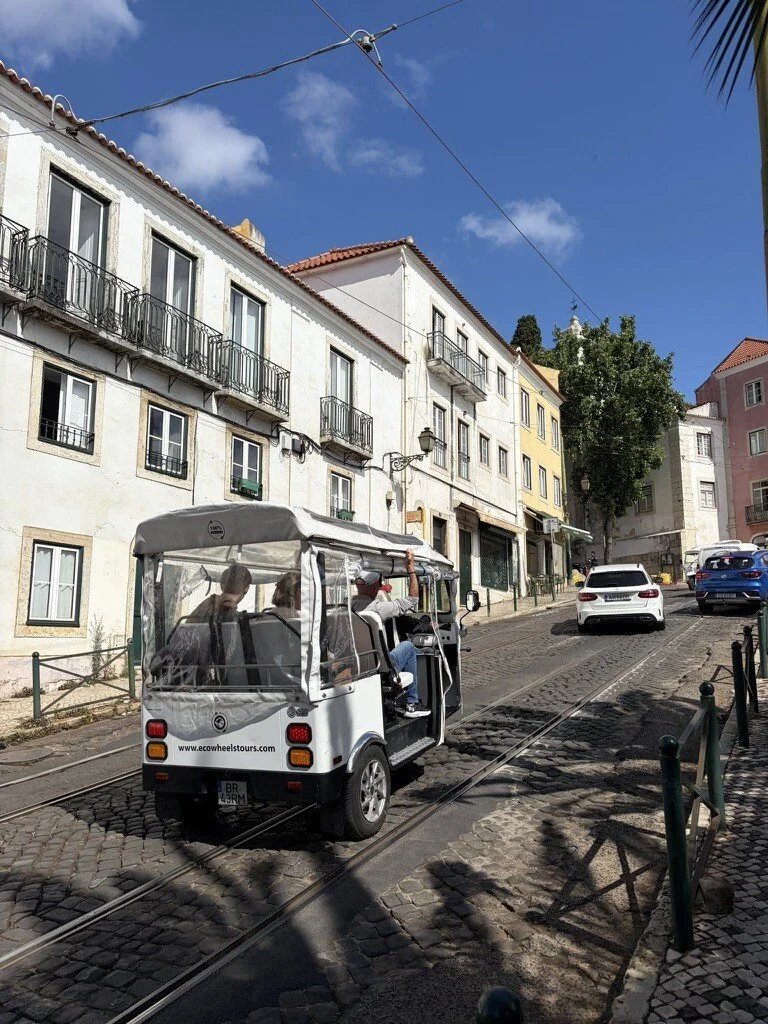
If you're looking for transportation experiences that become attractions in themselves, Lisbon delivers. Historic trams climb the city's hills, funiculars connect neighbourhoods, commuter trains link communities, and Tuk Tuks provide guided tours through narrow streets and historic districts.
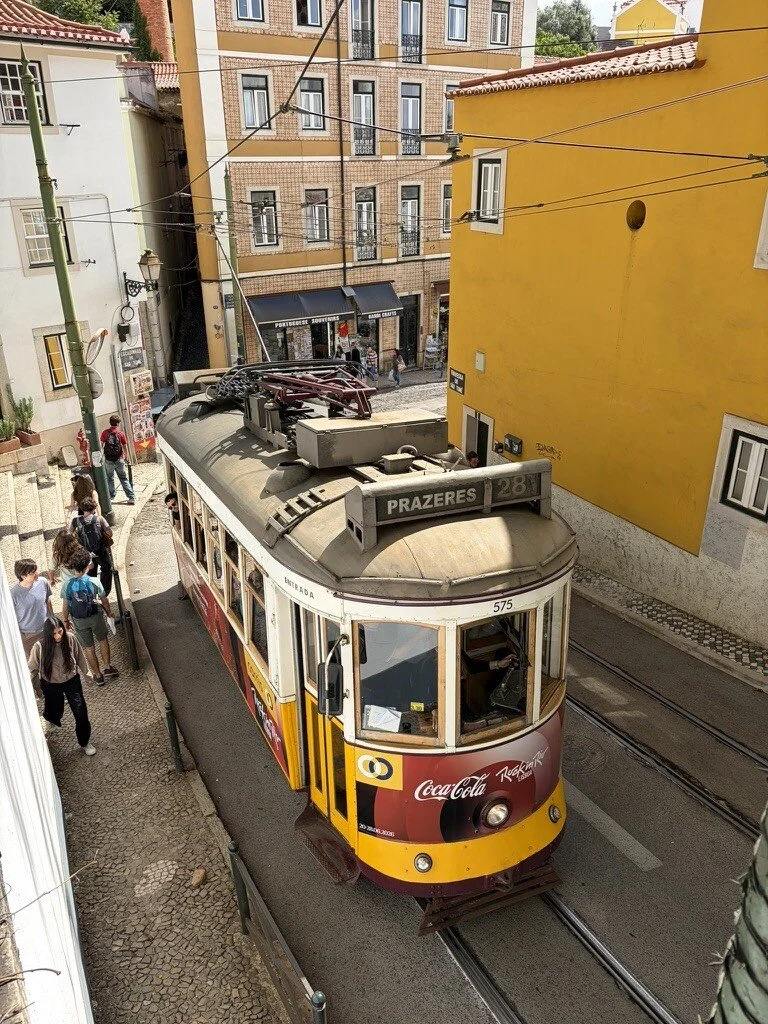
One of my favourite experiences was a food walking tour. It allowed me to connect with a local guide and fellow travellers while exploring the city one bite at a time. The combination of walking, storytelling, local culture, food, and drink created an experience that could never be replicated from the window of a vehicle.
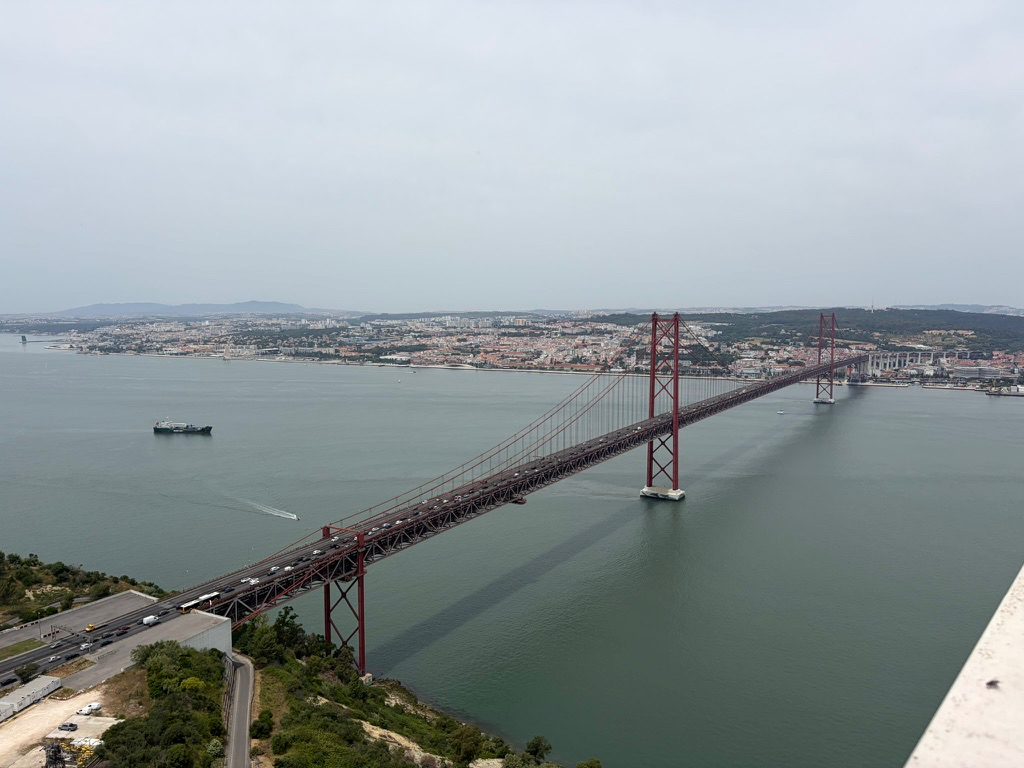
Want to visit the Cristo Rei statue? You can take a rideshare across the iconic 25 de Abril Bridge, suspended above the Tagus River and connecting Lisbon to the community of Almada. Prefer another option? Commuter ferries and water taxis regularly cross the river as well.
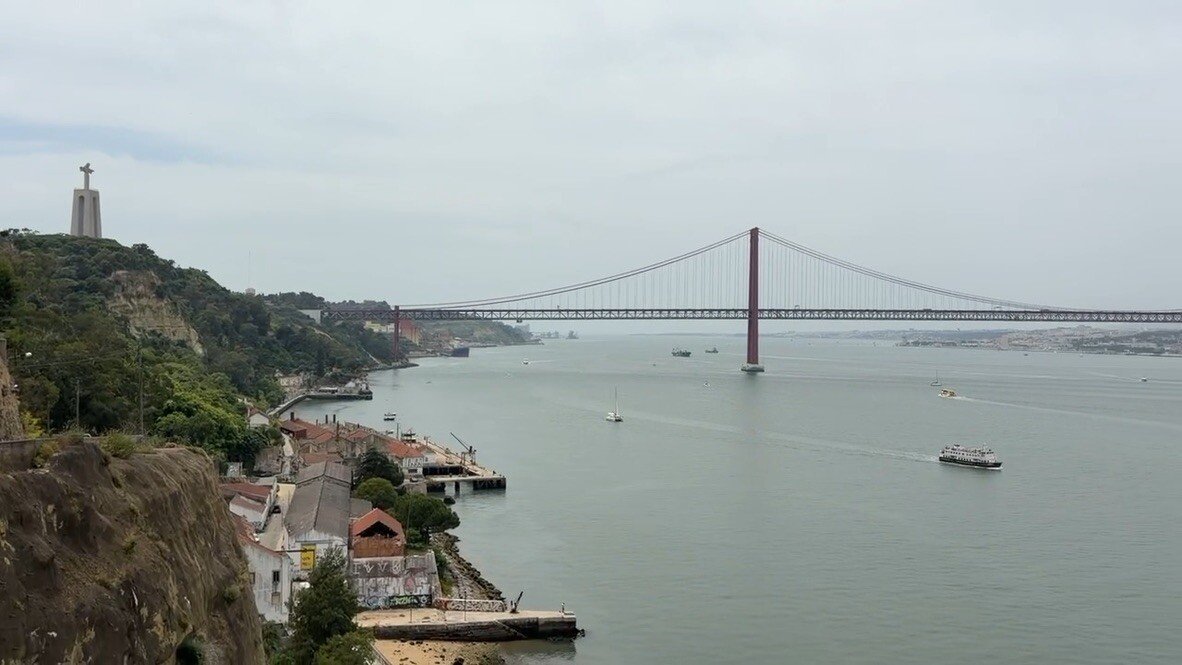
Statue Cristo Rei (left) 25 de Abril Bridge (right)
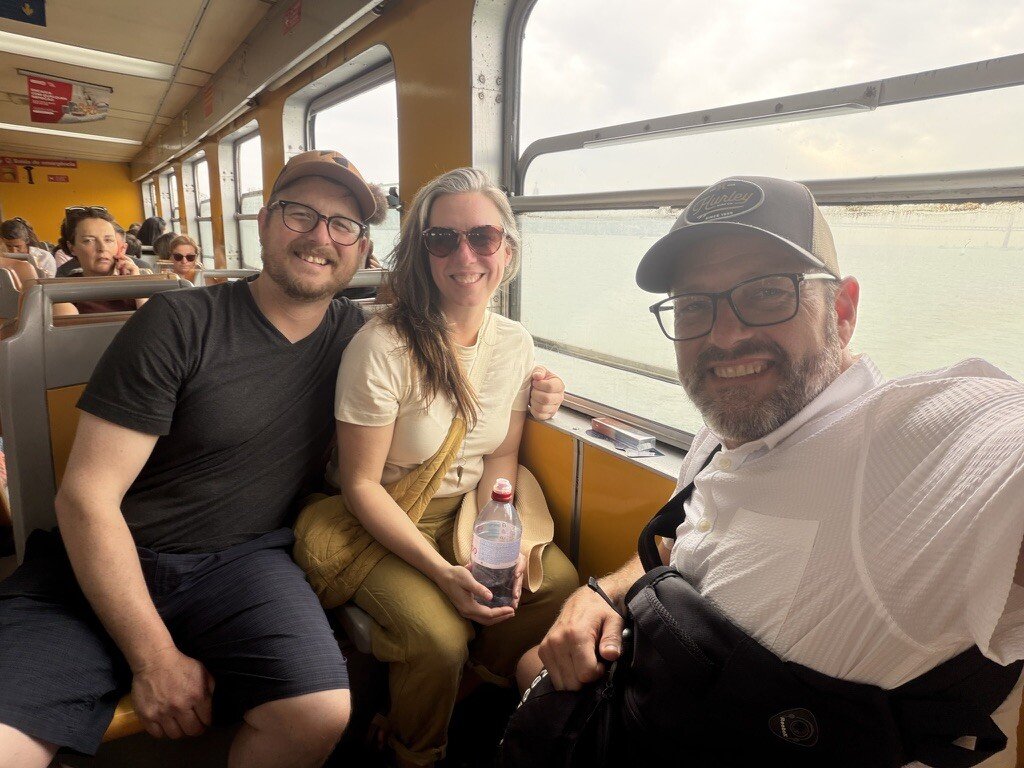
Water Ferry with new friends from Halifax
Again, so many choices.
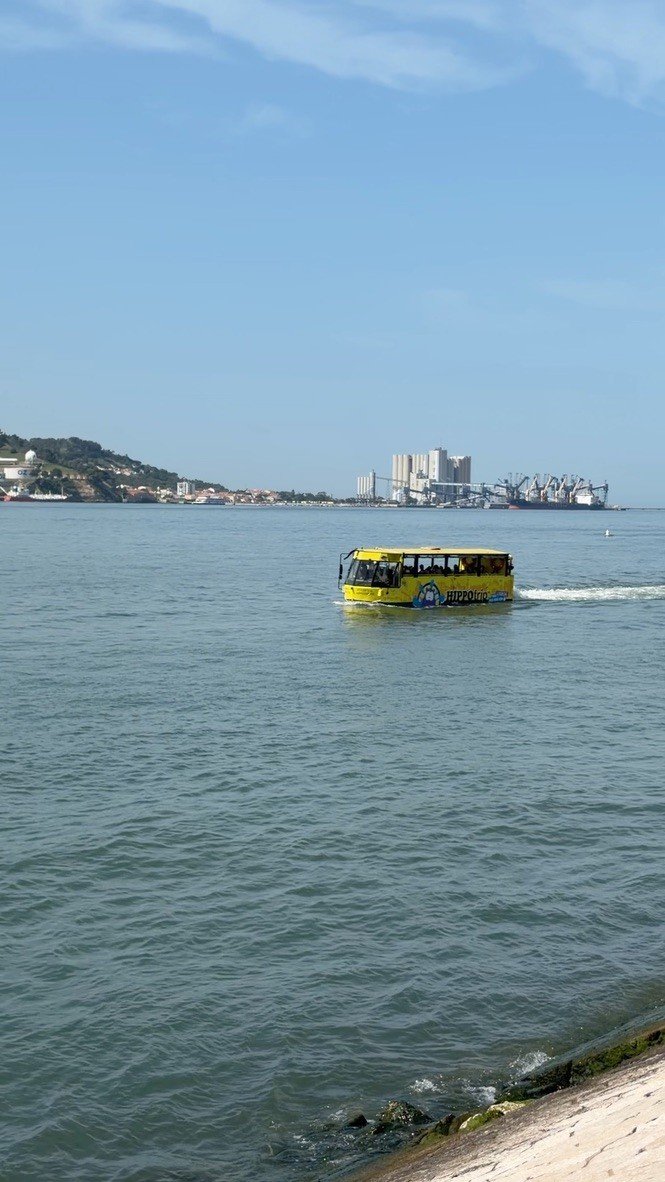
My next stop was Estoril, a beautiful coastal community west of Lisbon.
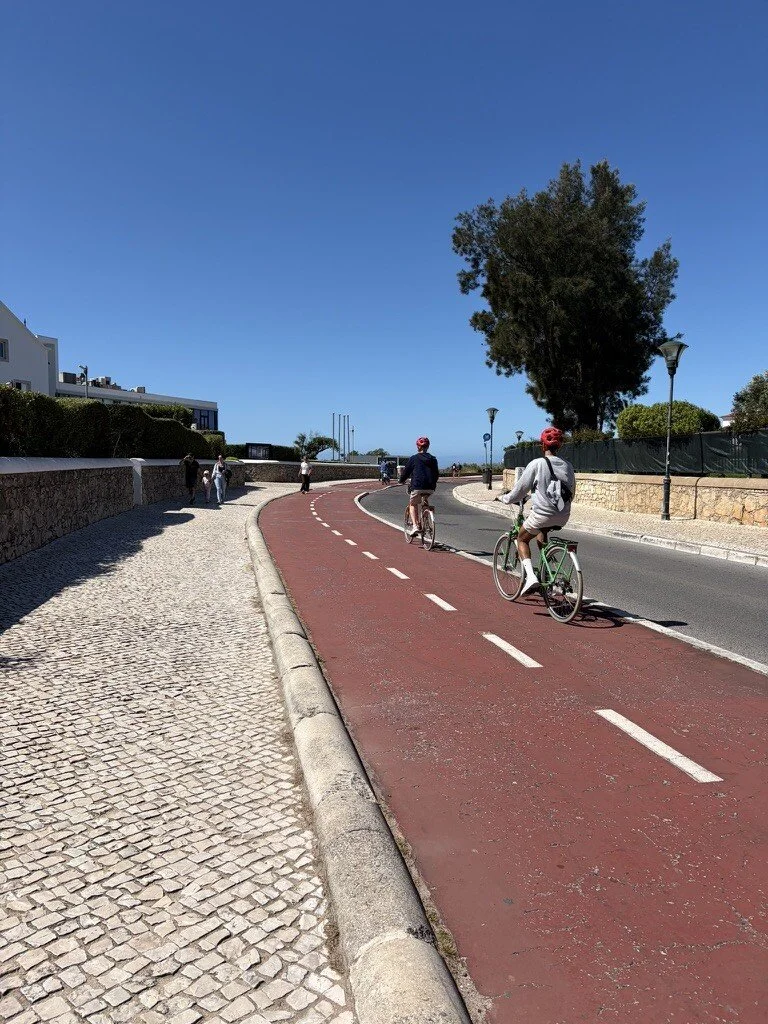
What makes this area exceptional is its commitment to walkability. The waterfront promenade, known as the Paredão, stretches roughly three kilometres between Estoril and Cascais, hugging the Atlantic coastline the entire way.
Along the route you'll find sandy beaches, rugged cliffs, seafood restaurants, outdoor fitness areas, public amenities, fishing spots, and countless opportunities to simply stop and enjoy the view.
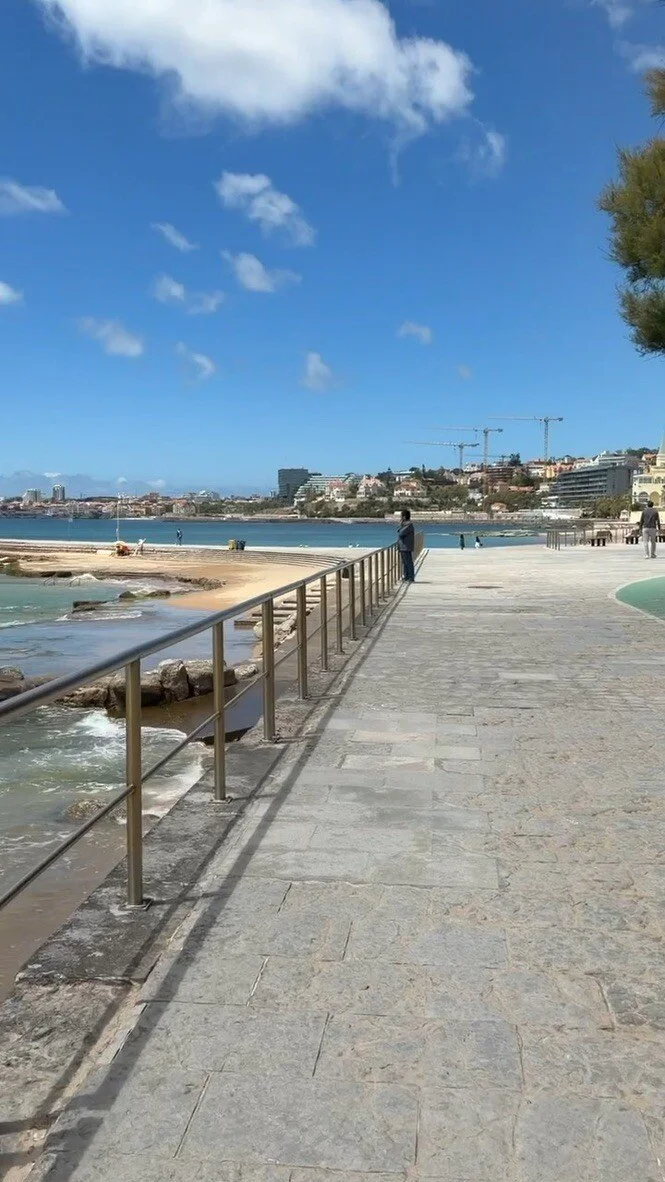
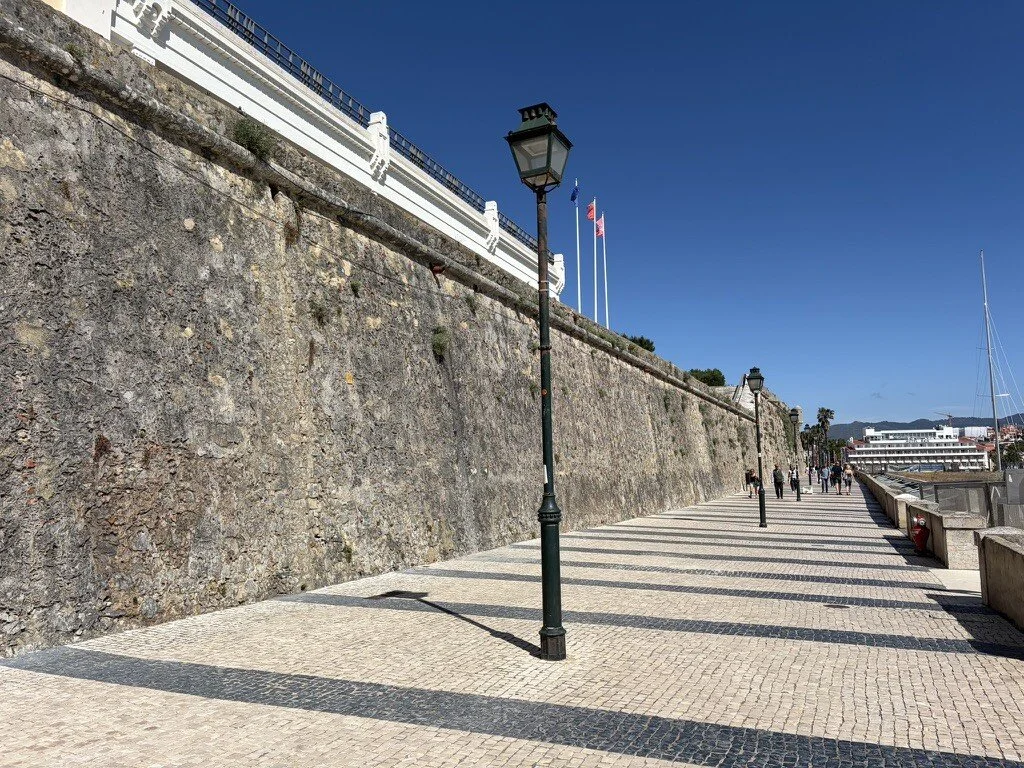
This is the type of infrastructure destinations should aspire to create.
The promenade welcomes everyone—locals, visitors, runners, cyclists, families, dog owners, and people simply looking for a place to slow down and enjoy the ocean.
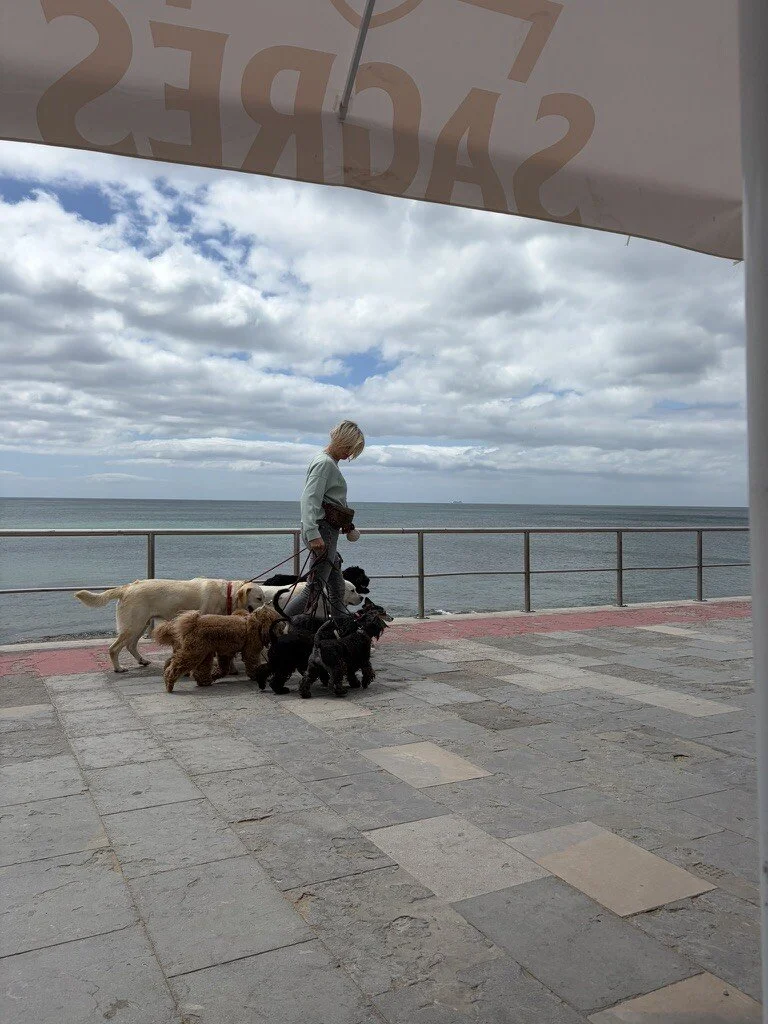
I found myself repeatedly stopping for a coffee, a meal, or simply to take in the sights and sounds around me. That's the beauty of well-designed public spaces—they encourage people to linger.
From Cascais, another scenic pathway extends westward toward one of Portugal's most dramatic natural attractions, Boca do Inferno, or "Hell's Mouth," where powerful Atlantic waves crash into towering seaside cliffs.
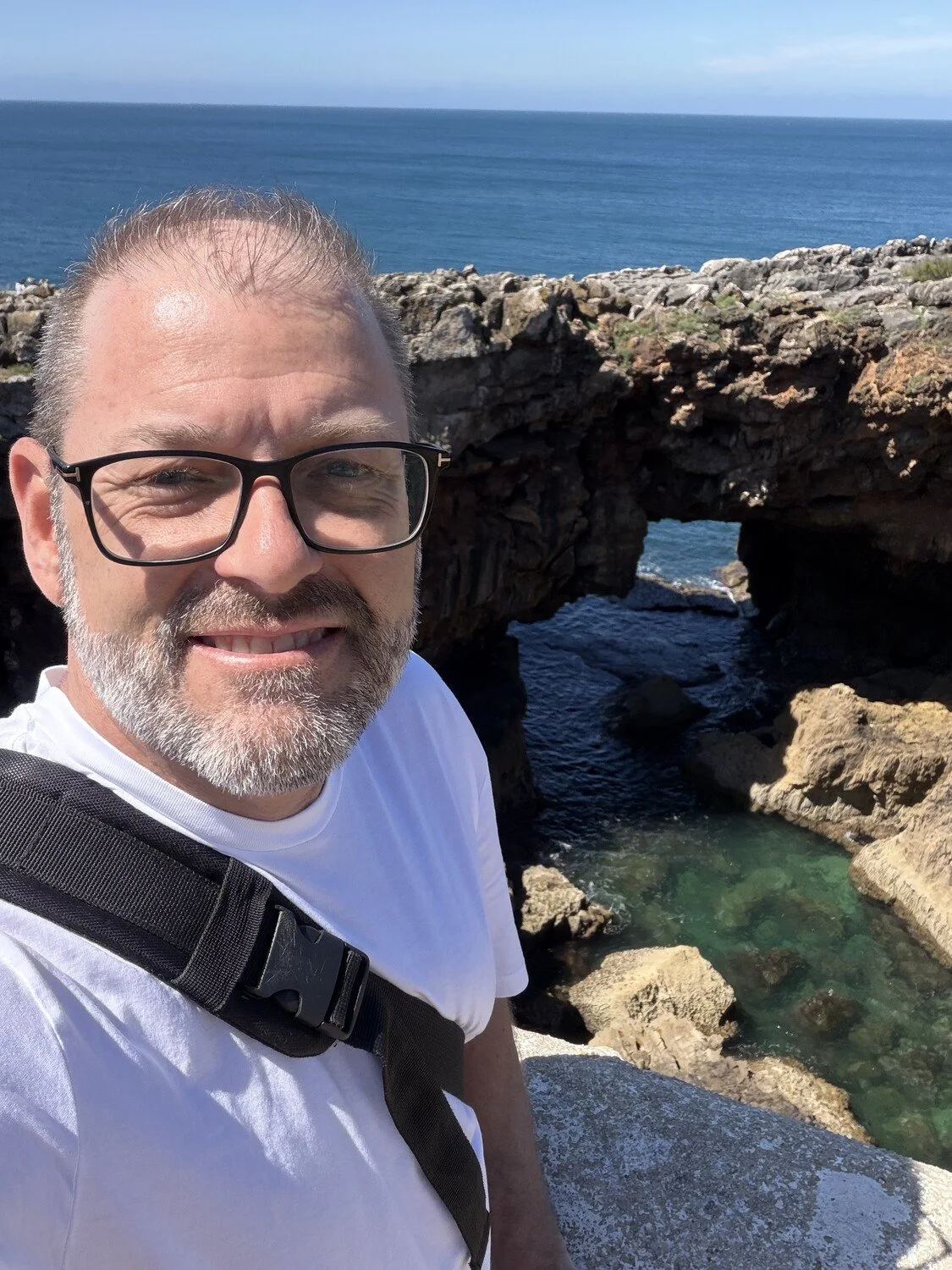
Boca do Inferno
From Lisbon and the surrounding communities, getting around Portugal is remarkably easy. Many destinations are connected by commuter rail, while rideshare services like Bolt and Uber make regional travel convenient and affordable.
But when it came time to travel from Lisbon to Porto, I wanted to experience something we hear quite a bit about in Alberta—a high-speed rail system.
I booked a return trip aboard Portugal's high-speed Alfa Pendular train, travelling from Lisbon's Oriente Station to Porto's Campanhã Station.
Oriente Station, Lisbon
What an experience.
Travelling at speeds of up to 225 km/h, the train covered the journey in less than three hours. The ride was smooth, comfortable, efficient, and completely stress-free.
What surprised me most was how enjoyable the journey itself became. Instead of focusing on traffic, navigation, or parking, I could simply sit back, relax, and take in the changing landscapes of Portugal passing by outside the window. Many of those views would have been easy to miss while driving.
It reinforced something I've come to appreciate throughout this trip: great transportation doesn't just connect places—it enhances the overall travel experience.
Then came Porto.
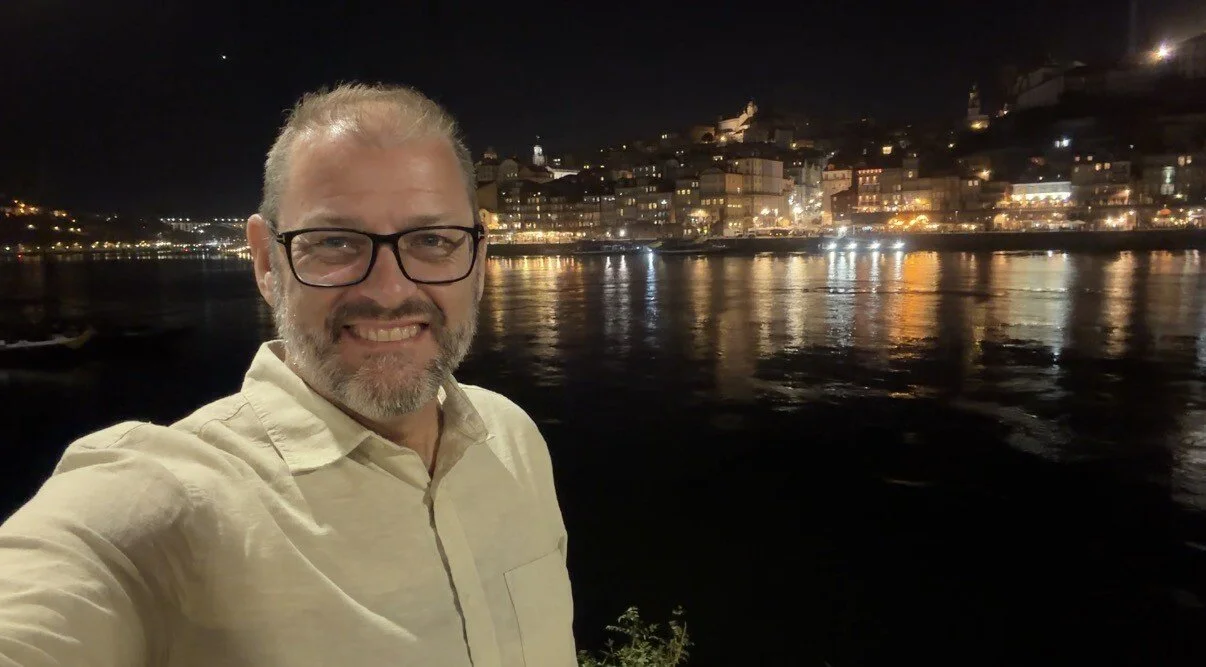
Standing in Vila Nova de Gaia with Porto in background
If Lisbon impressed me, Porto reinforced what Portugal seems to understand so well: people experience destinations differently when they can comfortably explore on foot.
Walking through Porto often felt like stepping back in time. Medieval architecture, centuries-old churches, monasteries, narrow streets, and historic public spaces create a cityscape that rewards curiosity.
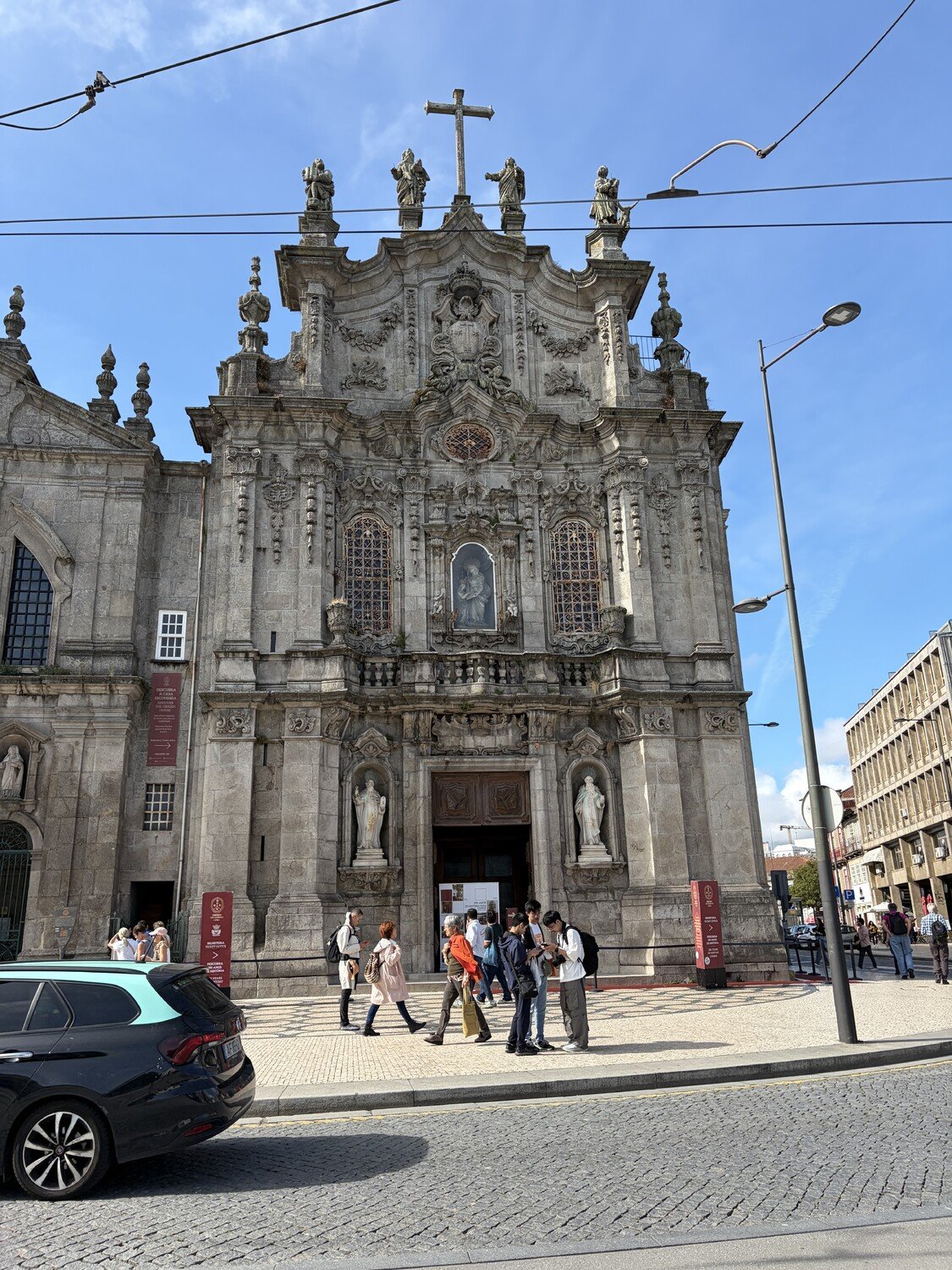
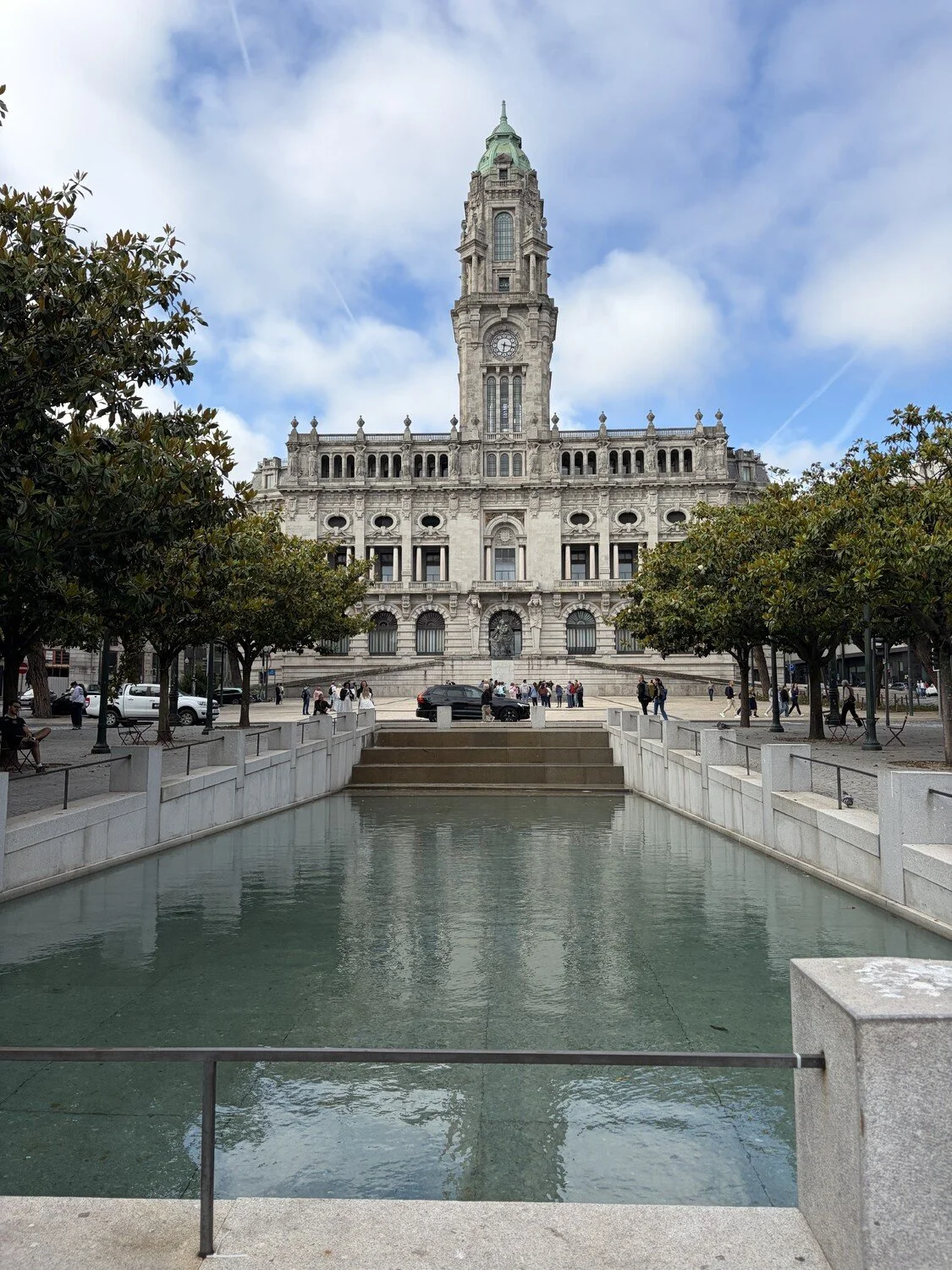
Whether I was heading to a riverside restaurant, one of the city's spectacular viewpoints overlooking the Douro River, or simply wandering through neighbourhoods without a plan, the city felt designed to be experienced at a human pace.
One of my favourite areas was the Ribeira district along the waterfront. Minutes after strolling the riverfront, I could find myself relaxing in a beautiful urban park, sitting on a patio, or crossing the iconic Dom Luís I Bridge.
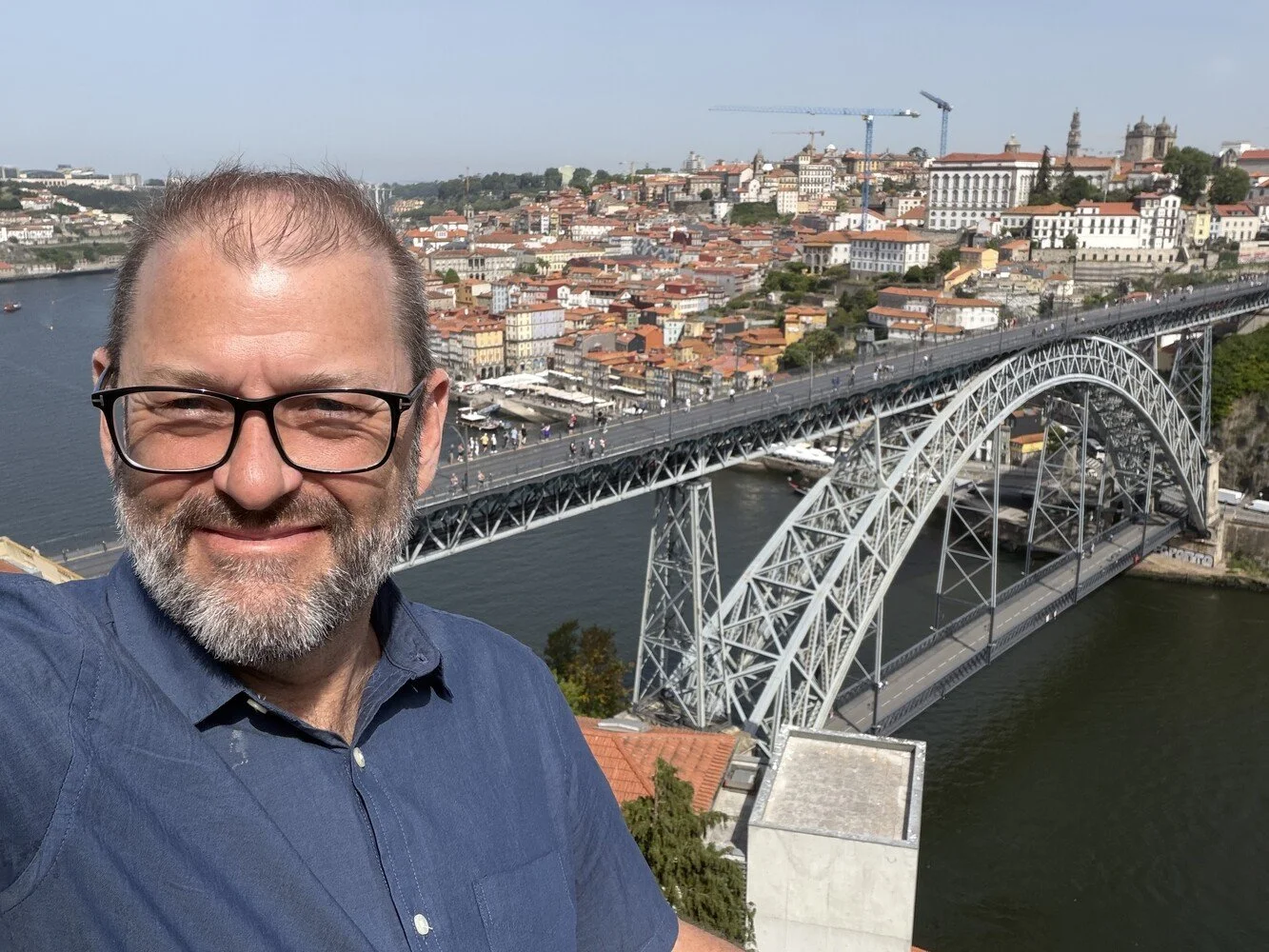
The bridge itself is a wonderful example of transportation infrastructure serving both residents and visitors. On the lower deck, vehicles and pedestrians share the crossing.
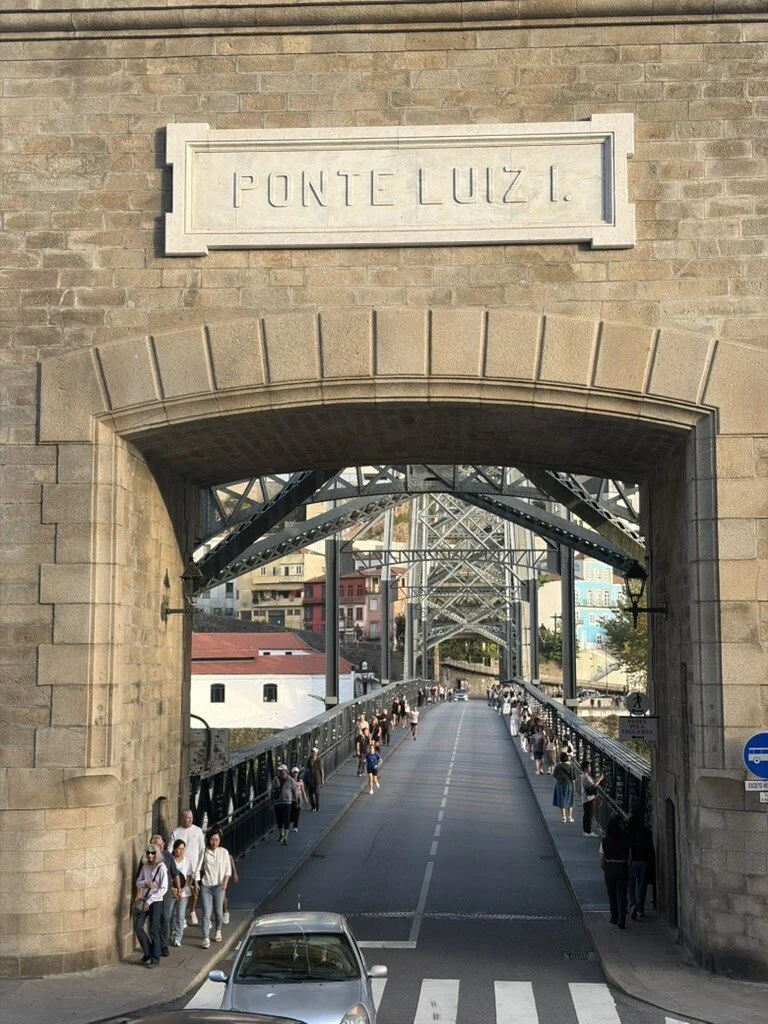
On the upper deck, pedestrians travel alongside Porto's metro system while enjoying some of the most spectacular views in the city.
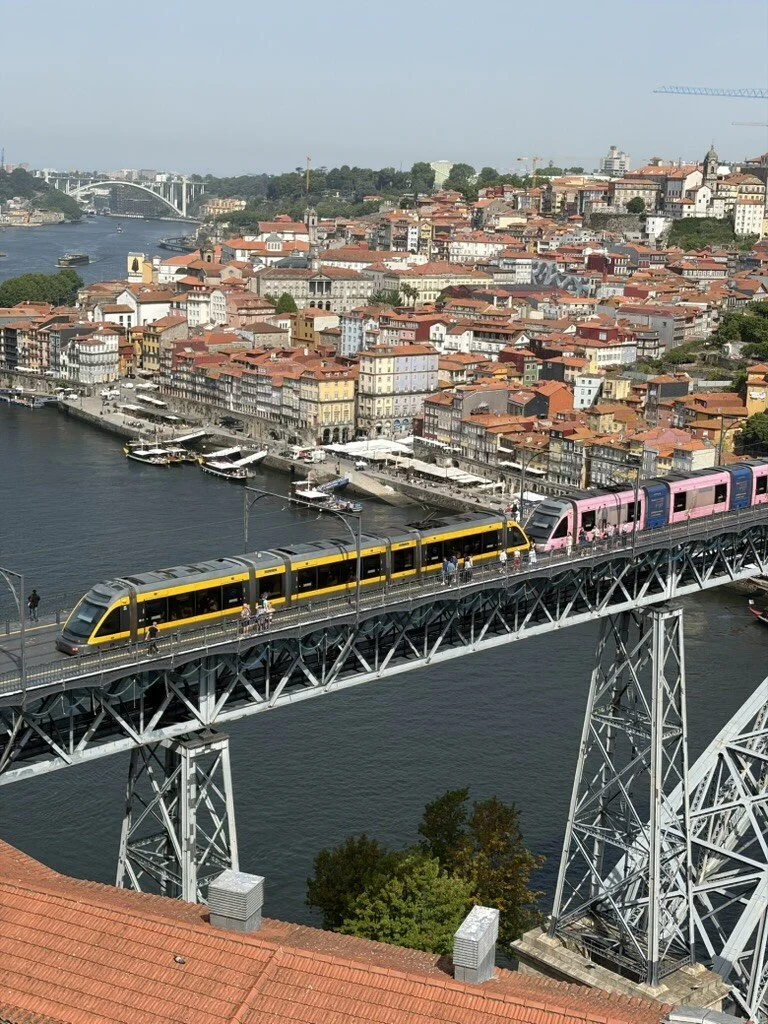
It's smart, efficient, and memorable.
Across the river lies Vila Nova de Gaia, home to the famous Port wine cellars and yet another example of how transportation can enhance a visitor experience rather than simply move people from one place to another.
For visitors seeking unique transportation experiences, Porto offers plenty of options including cable cars, funiculars, trams, buses, bike rentals, the metro system, river cruises, and walking routes that connect nearly everything worth exploring.
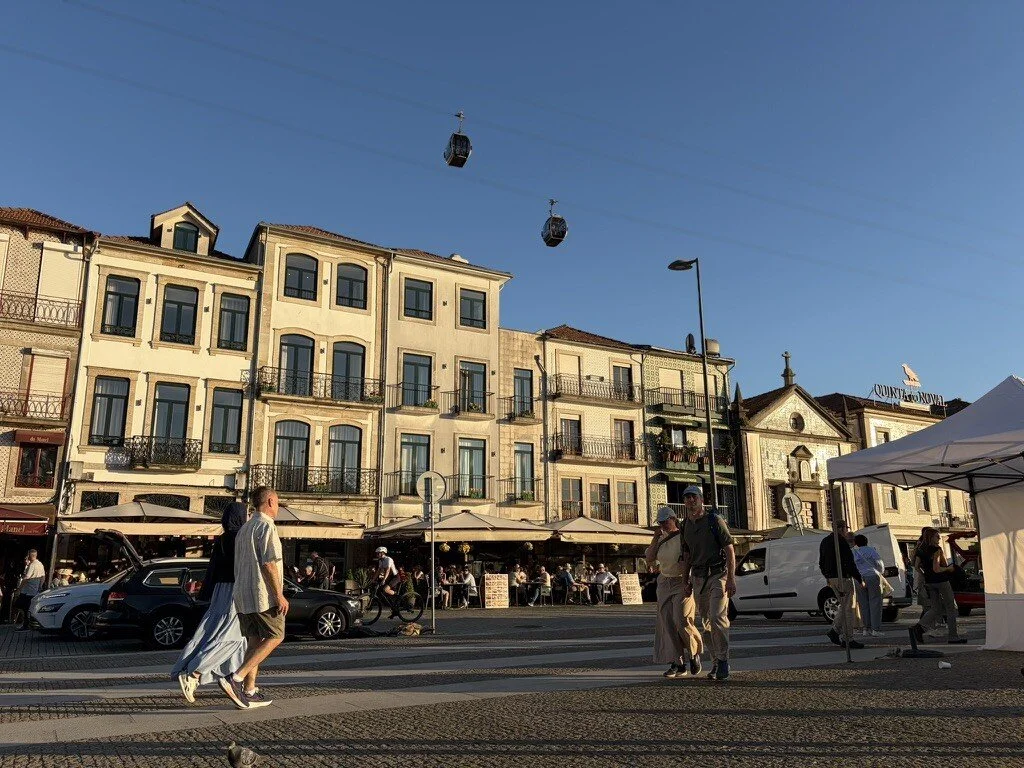
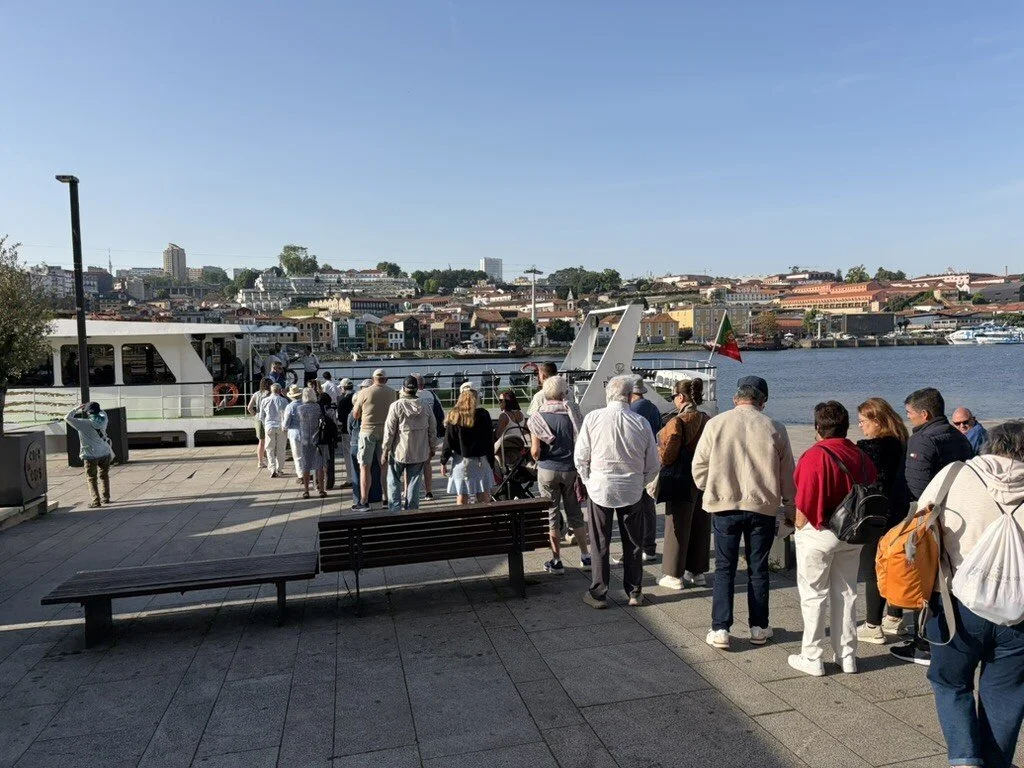
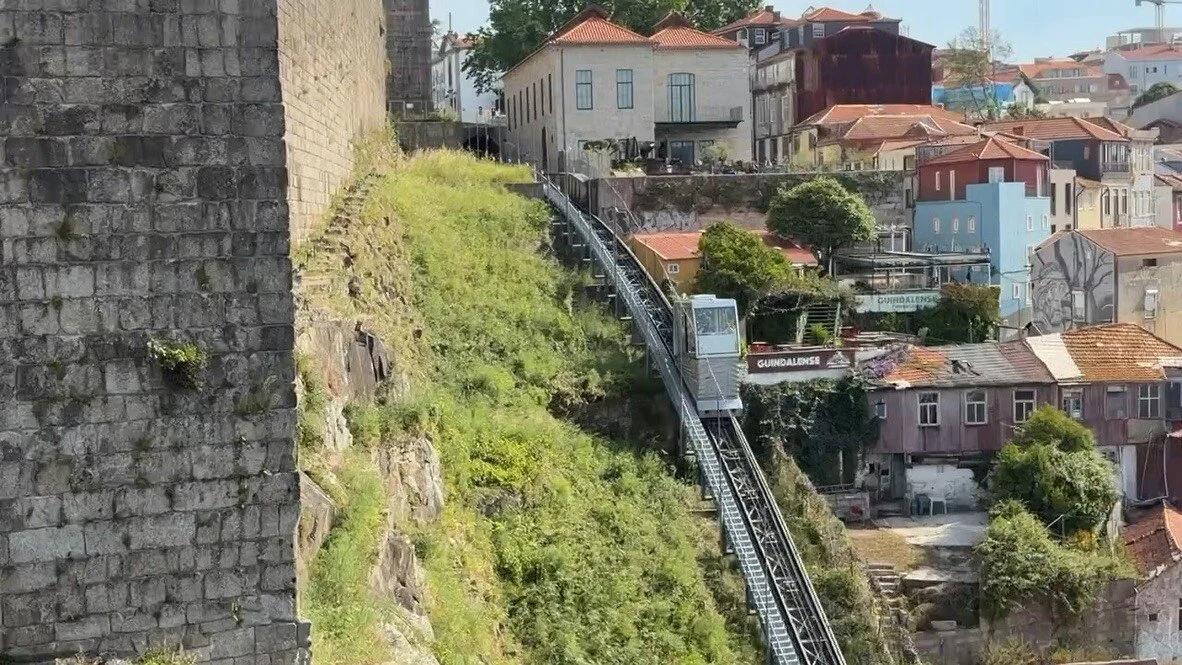
One final transportation experience stood out during my time in Porto.
I joined a wine and river tour that transported our international group into the heart of the Douro Valley. A comfortable shuttle journey took us through mountain highways and tunnels before arriving in one of the world's most beautiful wine regions.
From there, we boarded a traditional river boat for a cruise through vineyard-covered hillsides along the Douro and Pinhão Rivers.
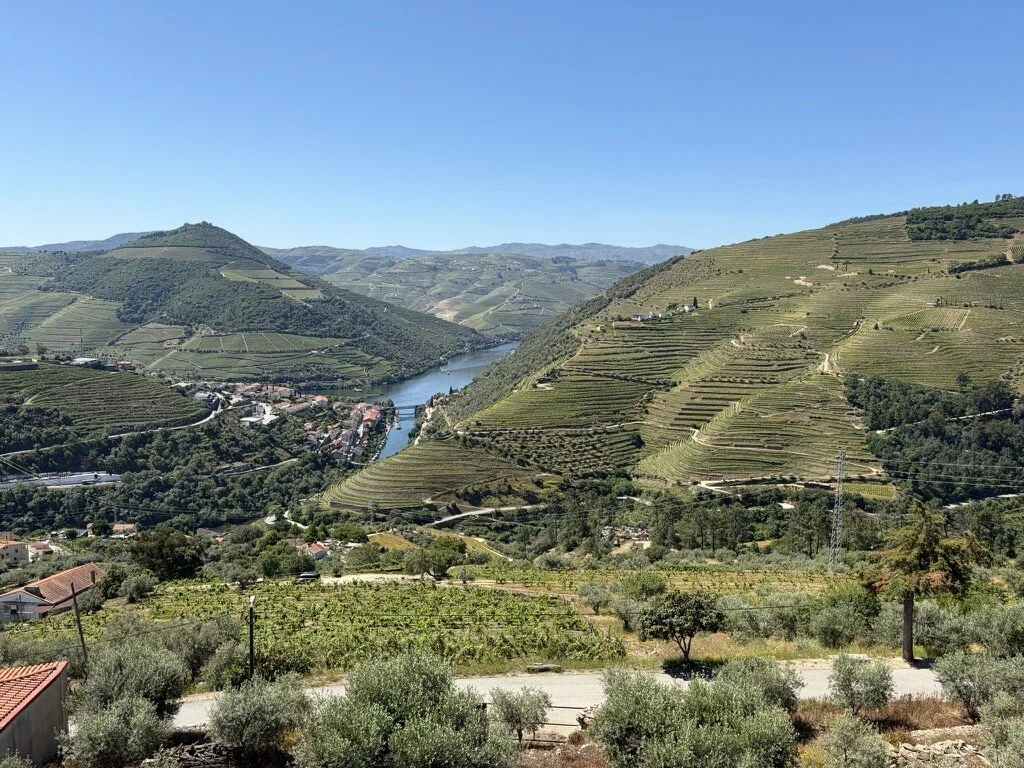
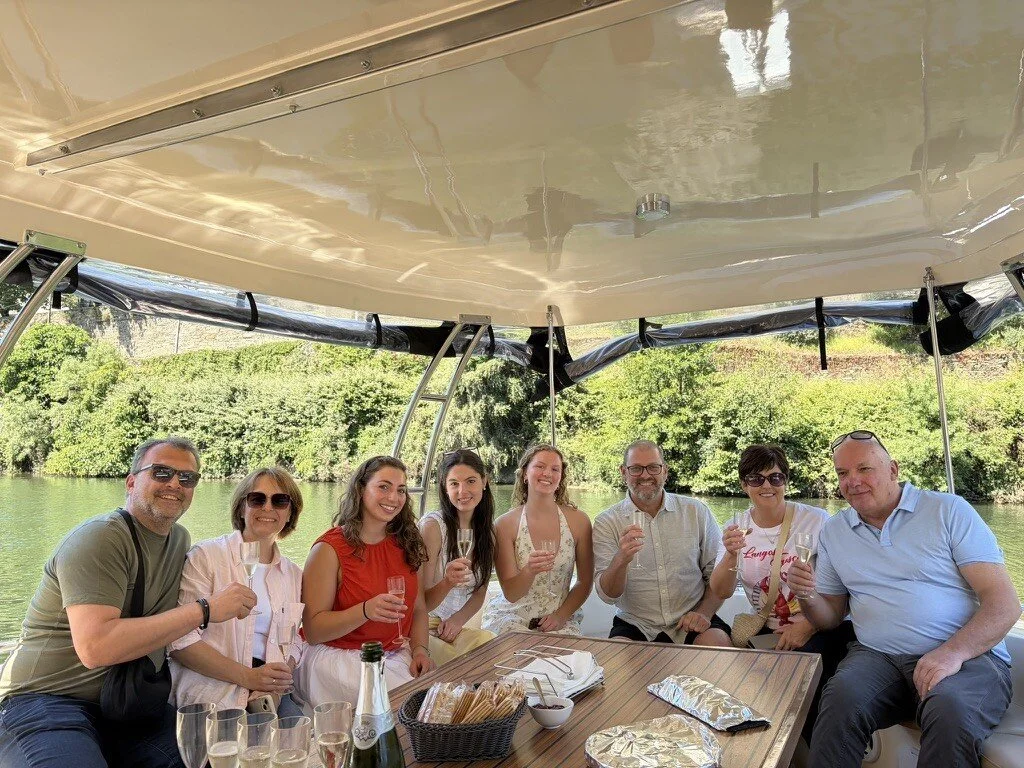
Once again, transportation wasn't simply about getting somewhere.
It became part of the experience itself.
That's what makes walking—and transportation in general—such a powerful part of tourism. The journey becomes part of the destination.
Without even thinking about it, I averaged nearly 20,000 steps per day.
The kilometres disappeared because the experience never felt like exercise.
By the end of my nearly two-week trip, my "new" walking shoes returned home with approximately 129 kilometres of Portuguese pavement and cobblestone underneath them.
And that's really the point.
Great transportation isn't just about moving people. It's about connecting them to a destination in a way that encourages discovery, exploration, reflection, and spontaneity.
Portugal understands this well.
Whether it was walking through Lisbon's historic neighbourhoods, hopping aboard a ferry, taking a commuter train between communities, riding a funicular up a steep hillside, crossing a river by boat, or using a rideshare to reach my next destination, there was always another option available.
That is the beauty of the places I discovered in Portugal.

For visitors, that creates freedom.
For destinations, it creates opportunity.
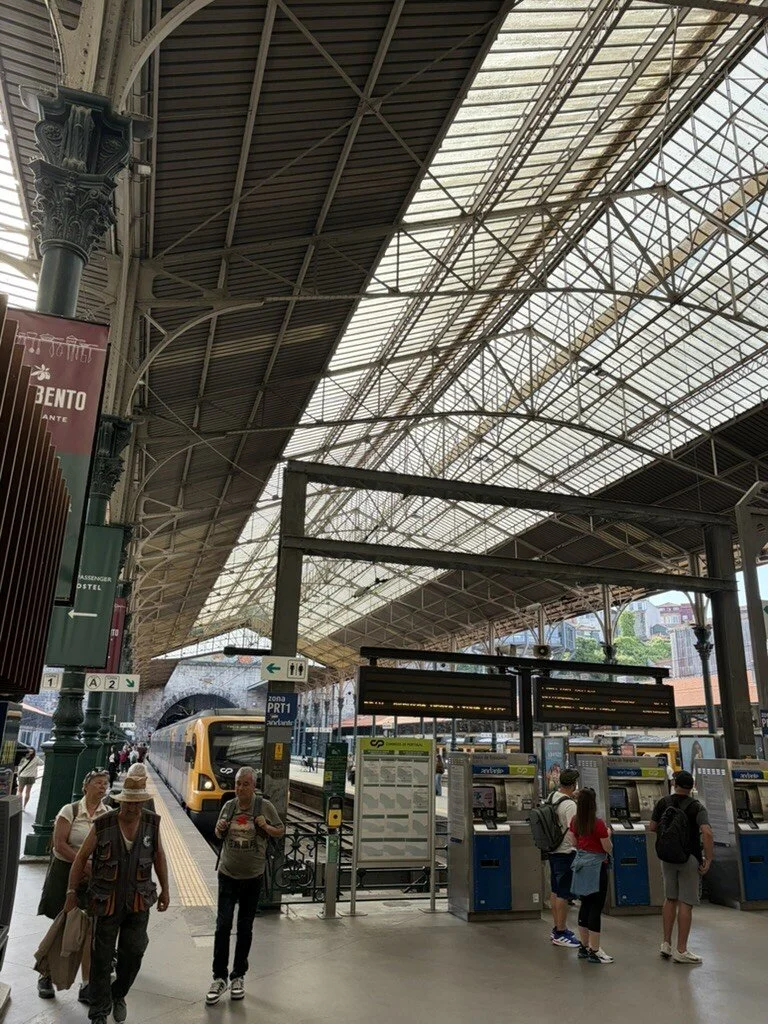
What I know: the easier it is for people to move, the more they see, the more they experience, and ultimately, the more they contribute to the local visitor economy.
Sometimes the best tourism investment isn't another attraction.
It's simply making it easier for people to discover everything you already have.

Consider this, walkability doesn't just move people easier—it creates more vibrant public spaces, reduces traffic and noise, and helps visitors connect more deeply with a destination.
