

What I Know: Water Brings People Together
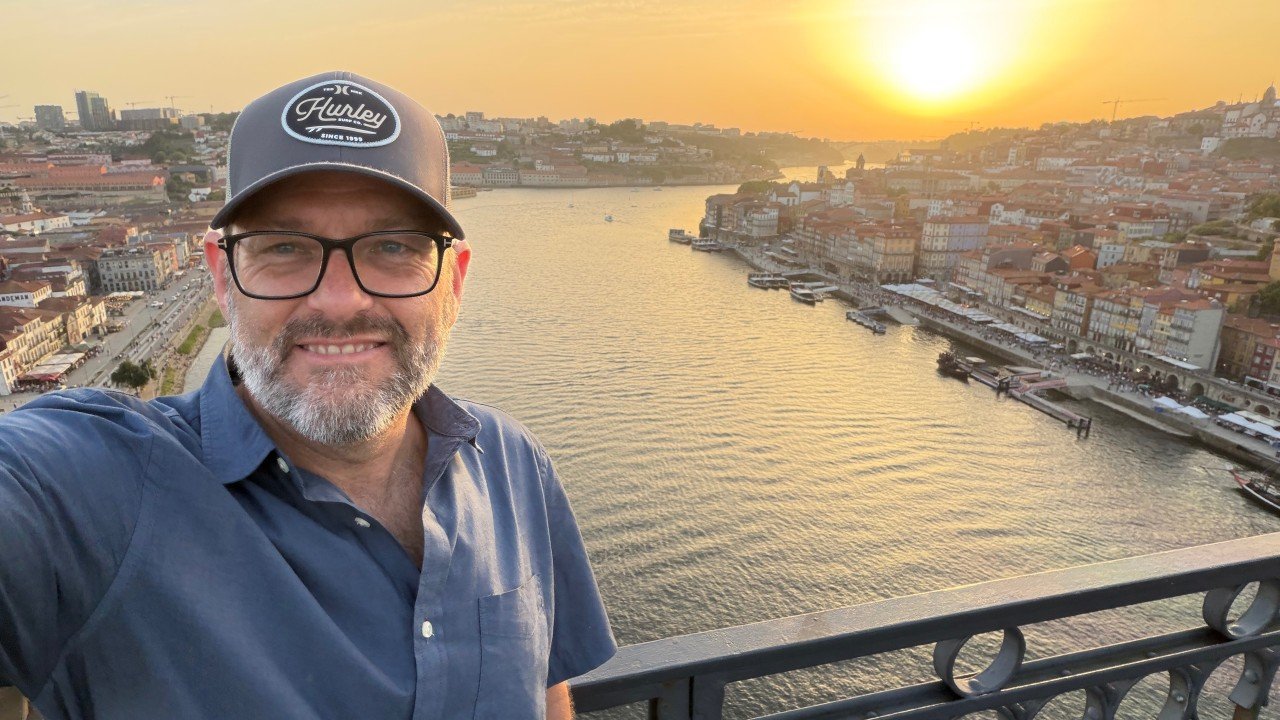
What I know: Water Brings People Together - on top of the Luis I Ponte/Bridge - Porto, Portugal
Whether it's a river running through it, an ocean surrounding it, or a lake at its centre, water has always brought people together.
For centuries, waterways provided places to live, gather, fish, trade, celebrate, worship, explore, and connect. Today, they continue to serve many of the same purposes. Water is life. It is one of the most powerful elements on our planet, and when people travel, it is often one of the first features they seek out.
On my recent trip to Portugal, water became a central part of my journey.
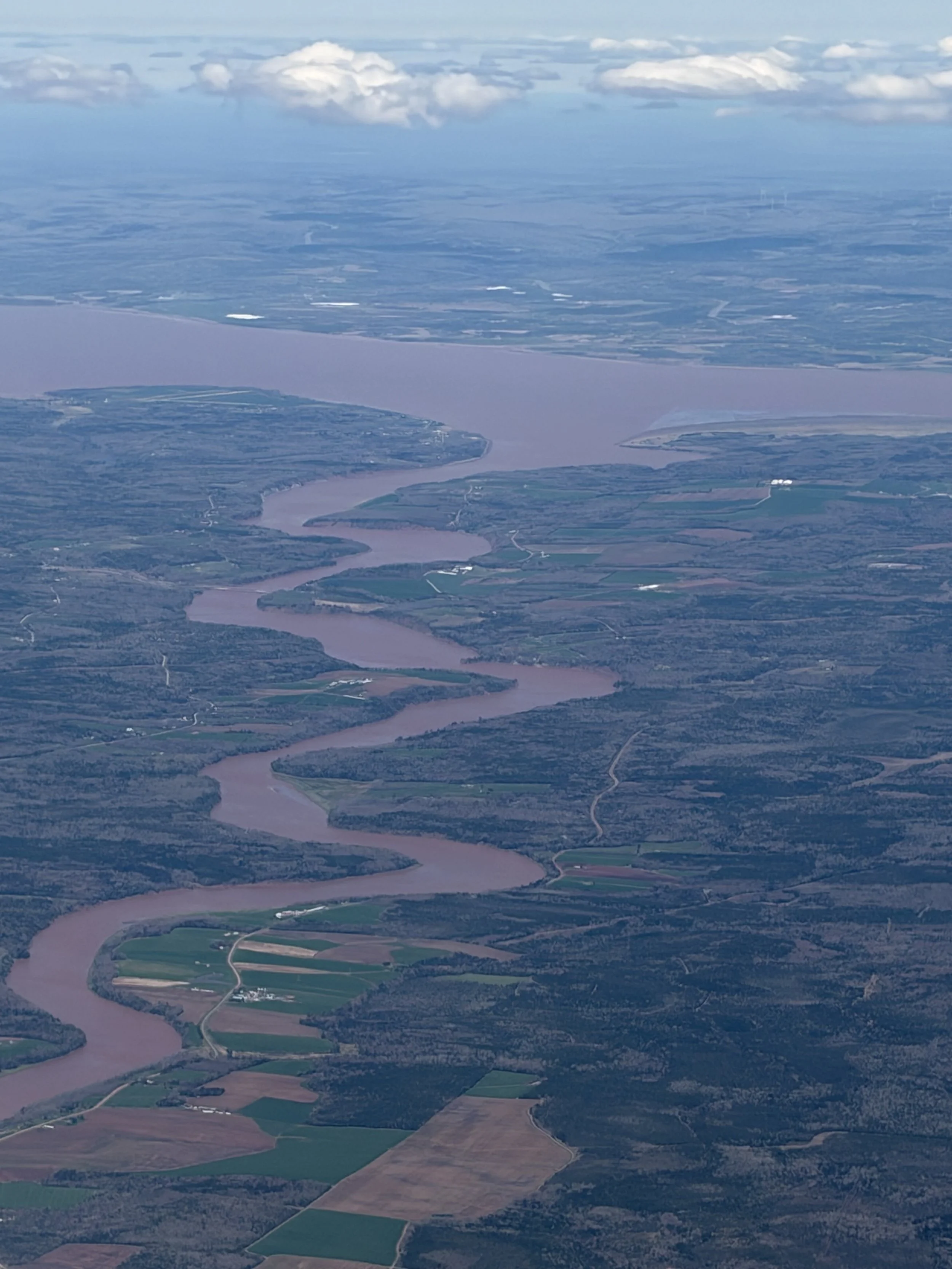
Shubenacadie River, Nova Scotia - Views from my window seat
In fact, for me, the journey always begins with a window seat. I'm that person who wants to stare out at the world below. There is something humbling about looking down and seeing thousands of lakes, winding rivers, rugged coastlines, and vast oceans. Flying from Edmonton to Halifax to Lisbon, I was fortunate enough to watch the mighty North Atlantic stretch endlessly beneath us.
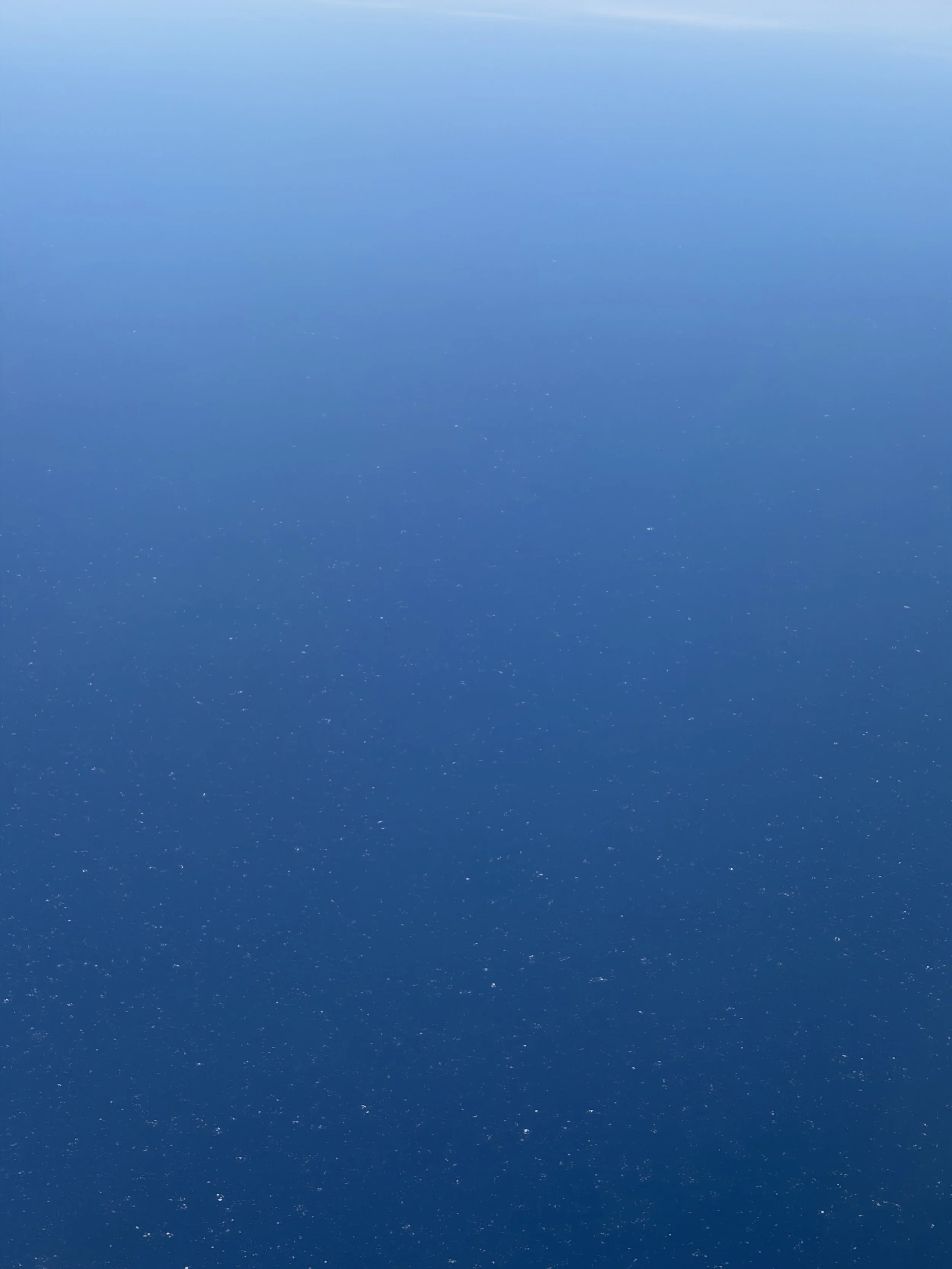
The North Atlantic Ocean - A sea of blue - Views from my window seat
Nearly six hours later, as we approached Portugal's capital, the city lights of Lisbon appeared like a cinematic scene. But it wasn't until the following day that I truly understood the relationship between Portugal and its water.
After exploring the city's streets, sights, sounds, and flavours, I found myself naturally drawn toward the waterfront. Following the cobblestone pathways, I arrived at the Tagus River as it opens toward the Atlantic Ocean.
All I could think was: wow.
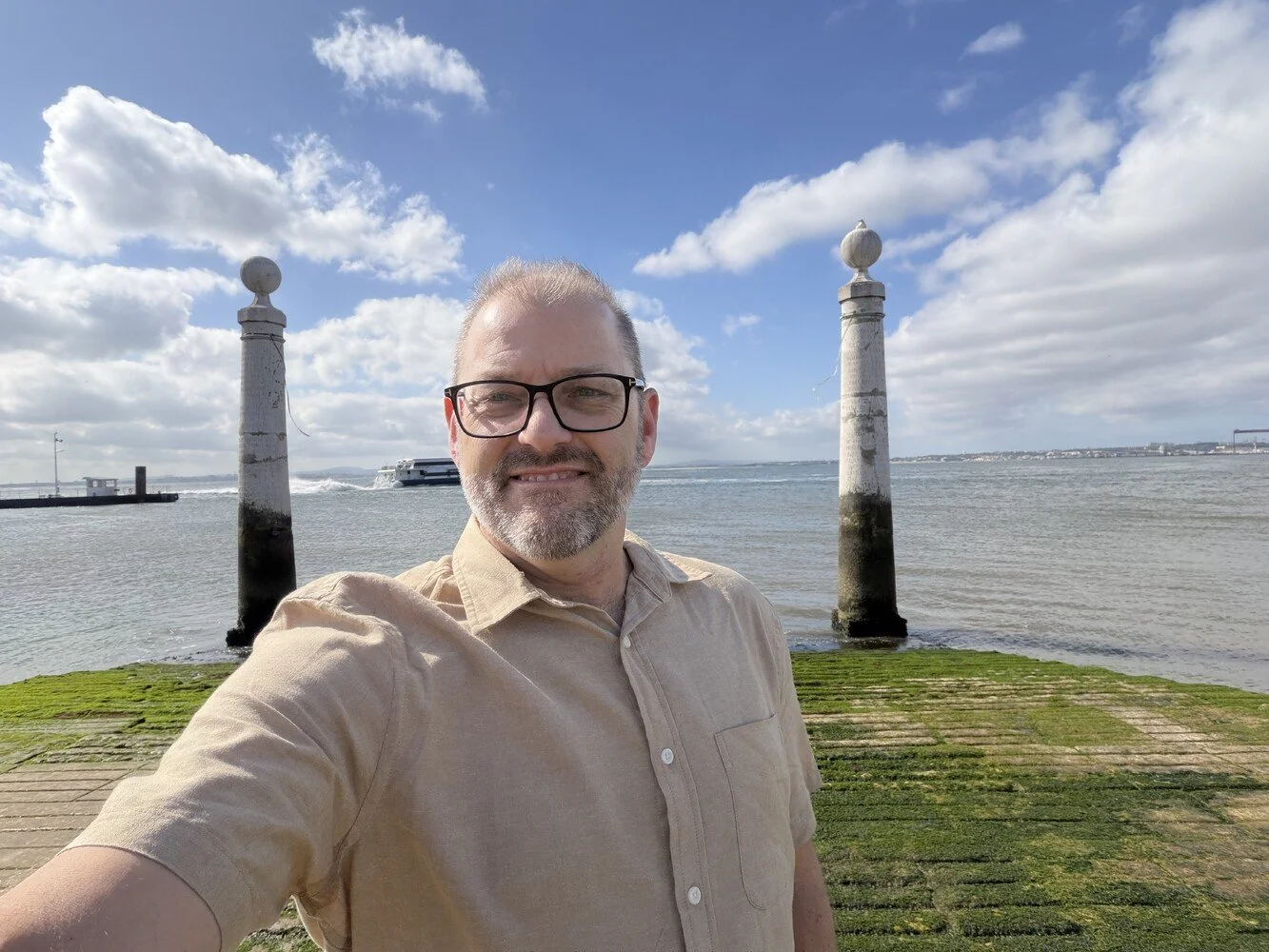
Lisbon's Santa María Maior - near Praça do Comércio on the Tagus River
From the grand Praça do Comércio in Lisbon, where the city embraces the water, to the beaches and seaside promenades connecting Estoril and Cascais, to Porto's vibrant Ribeira waterfront and the iconic Luís I Bridge spanning the Douro River, water is everywhere.
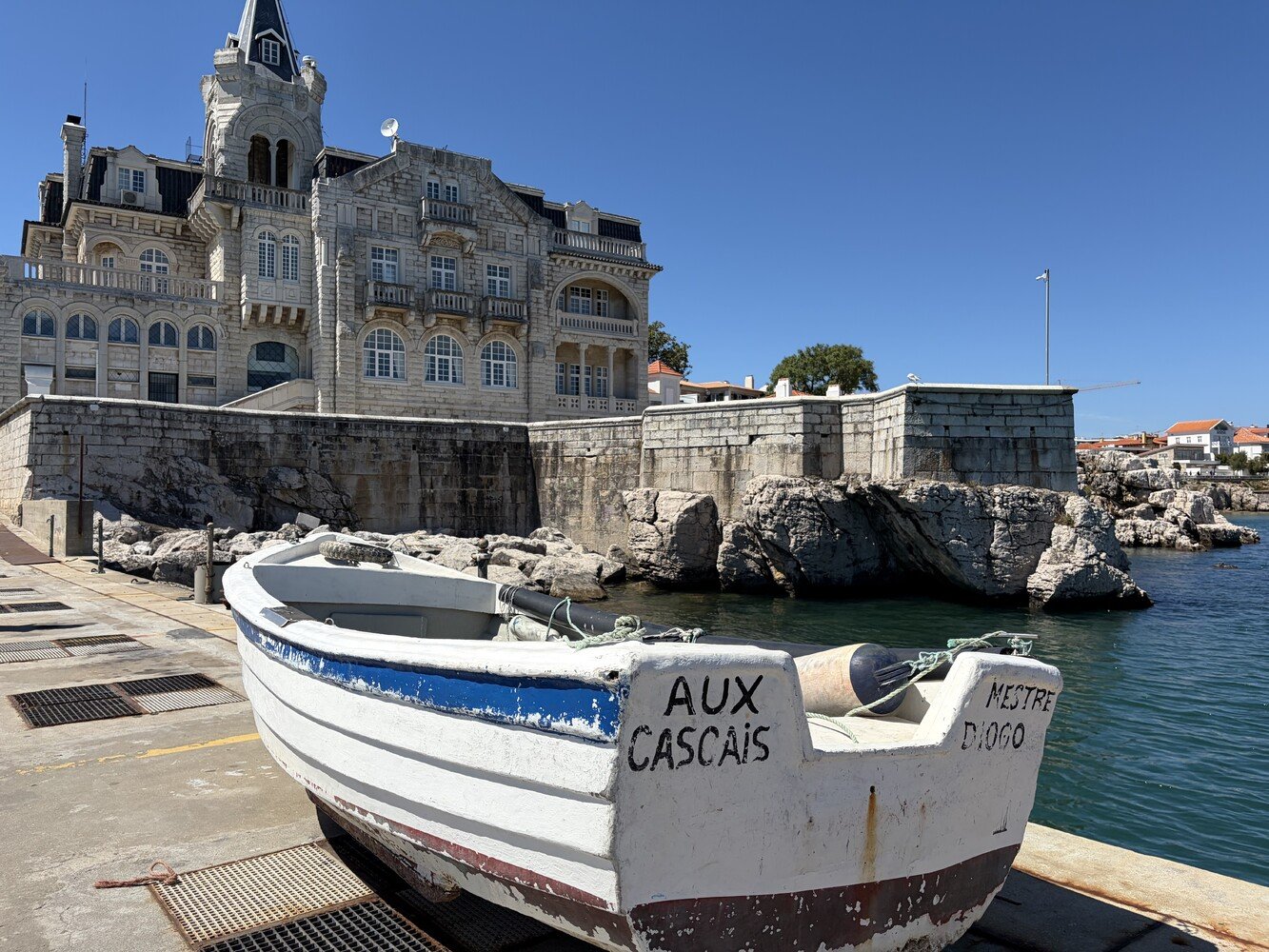
Cascais, Portugal
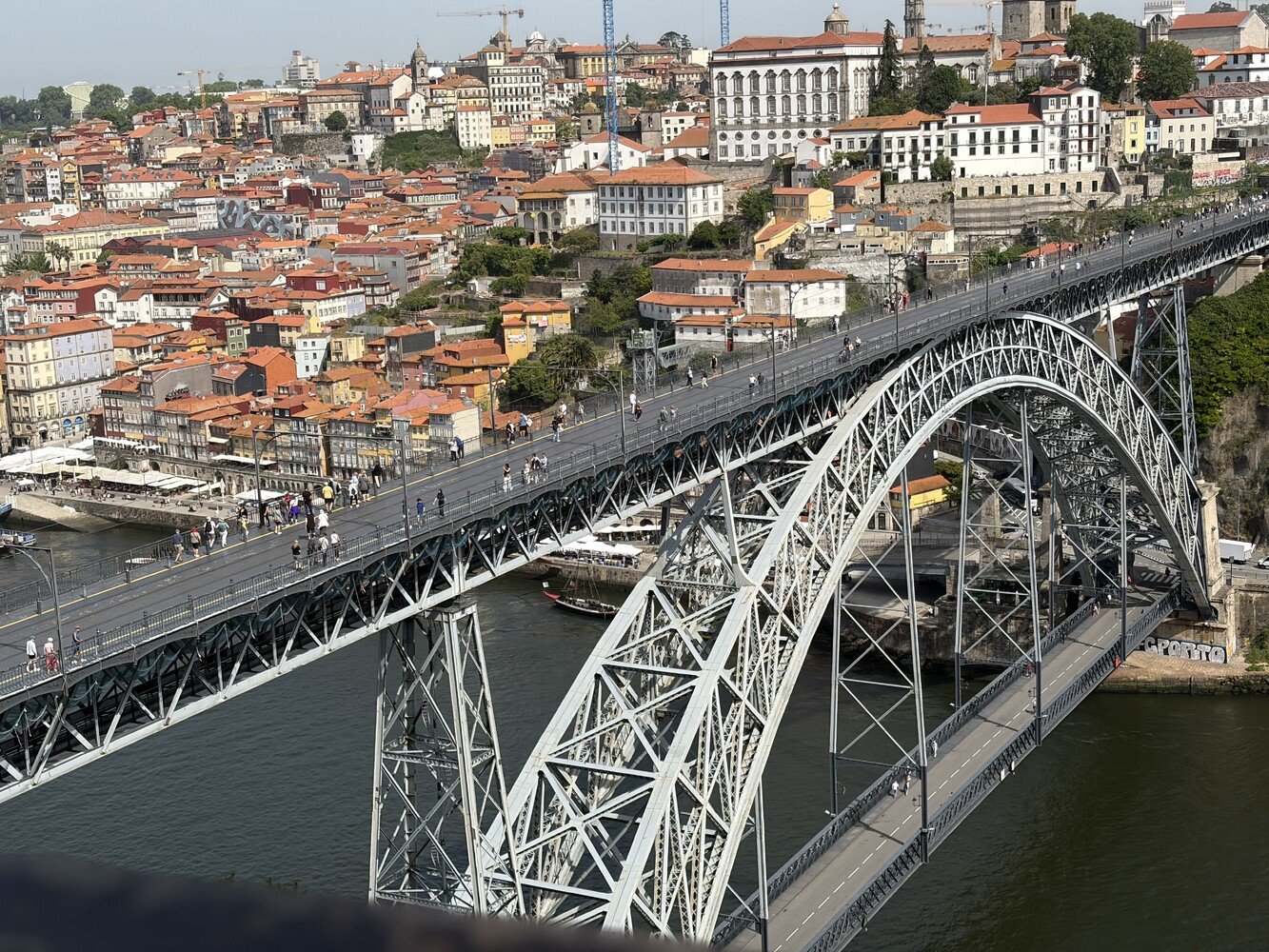
Luís I Bridge, Porto, Portugal - view from Miradouro da Serra do Pilar
Travel farther inland and you'll discover the vineyards and river landscapes of the Douro Valley. Head south and you'll find more than 200 kilometres of stunning Algarve coastline. Visit Nazaré and you'll witness some of the largest surfable waves on Earth.
No matter where you go in Portugal, you'll find water.
And wherever you find water, you'll find people.
People walking.
People lingering
People gathering.
People connecting.
That's what struck me most.
The most successful waterfronts aren't simply beautiful.
They're activated.
They provide reasons for people to stay.
Everywhere I travelled, I noticed the same intentional approach to creating places people wanted to spend time in:
* Comfortable seating and gathering areas
* Inviting stairways and viewing points
* Cafés and patios overlooking the water
* Authentic restaurants and local businesses
* Colourful public spaces and walkways
* Free entertainment and cultural experiences
* Convenient transportation options
* Easy access to the waterfront itself
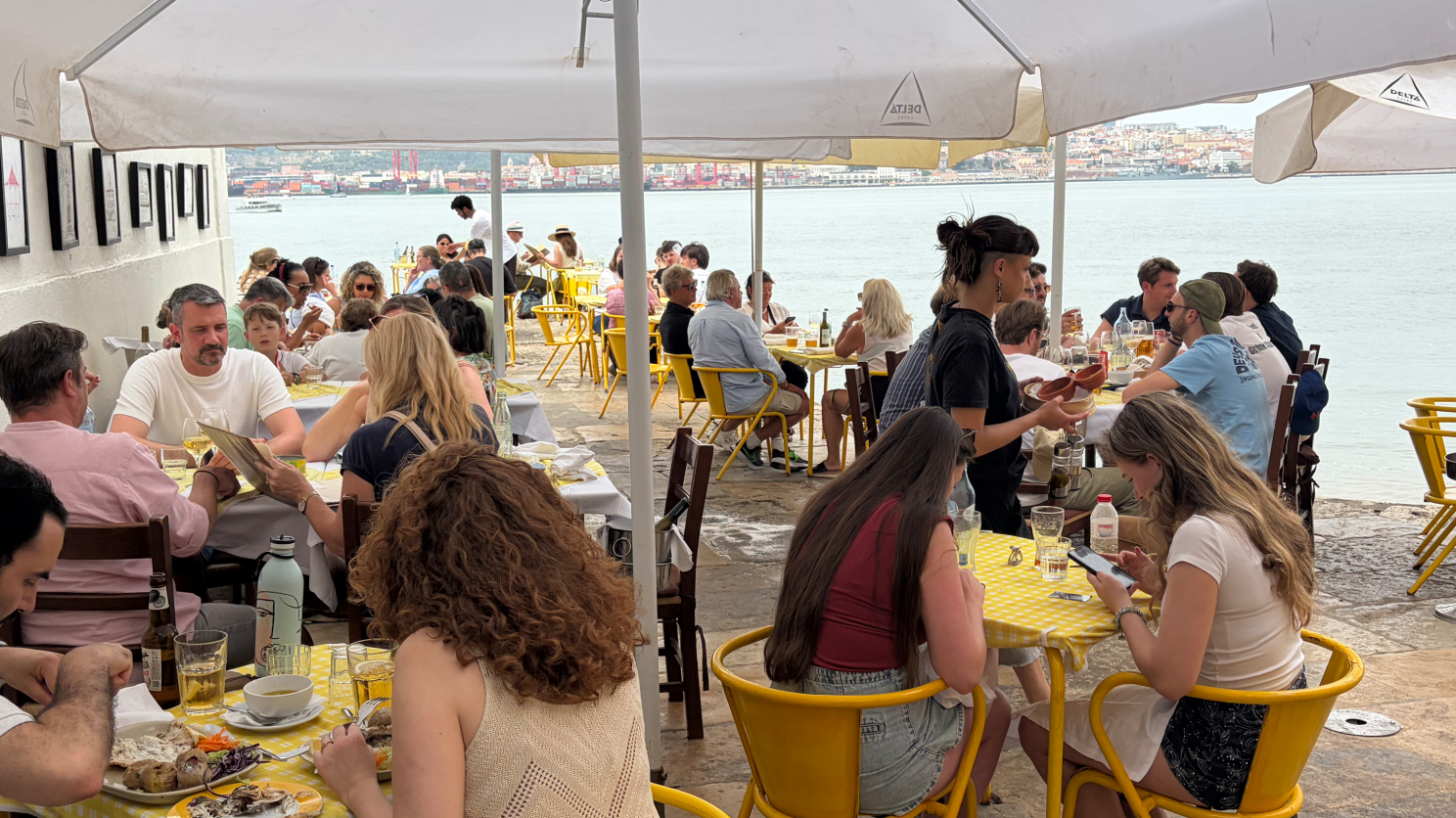
Restaurante Ponto Final on the Tagus River, Lisbon
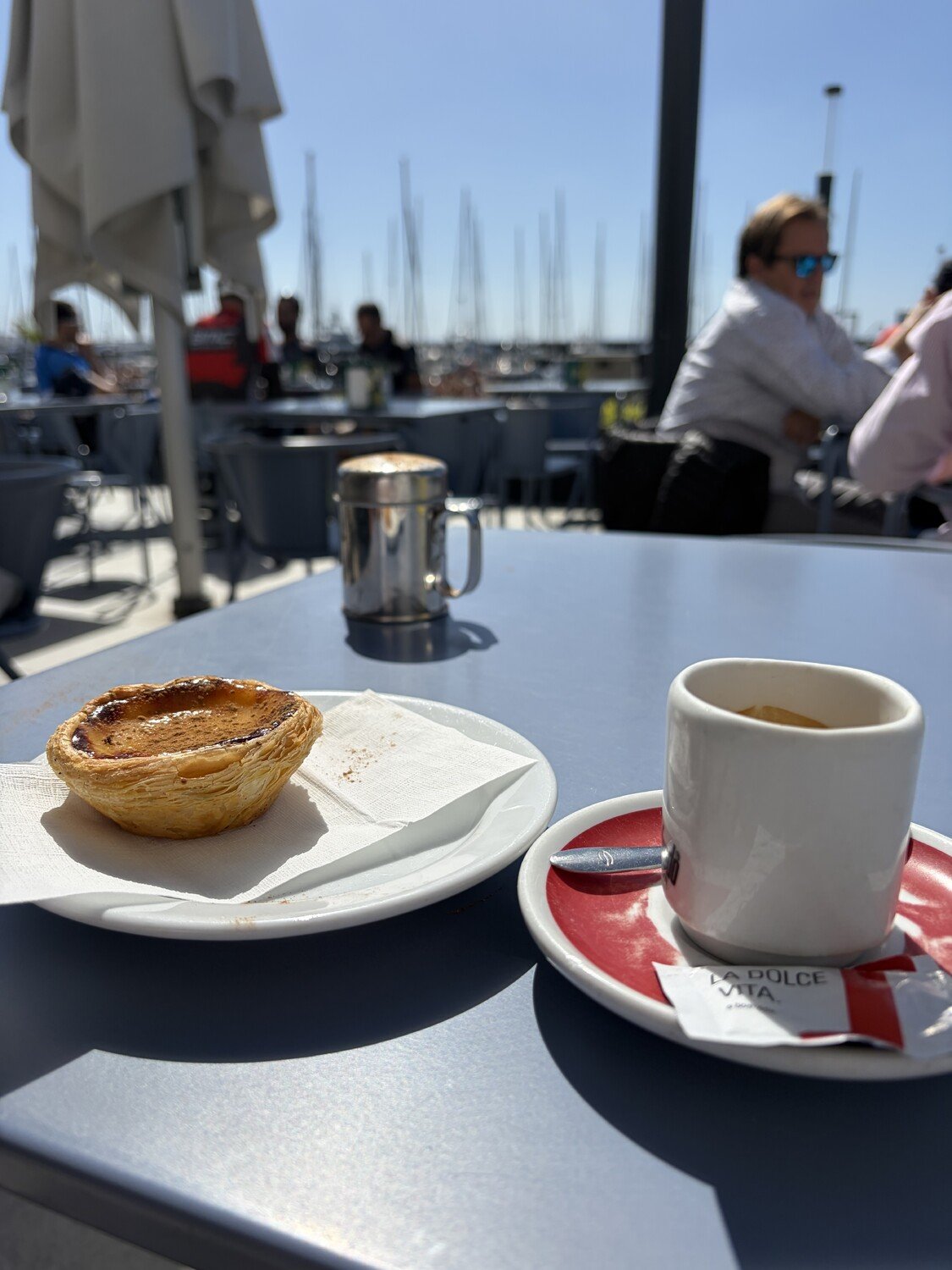
Ar Mar O Cafe, at the Cascais Marina, Portugal
Tagus River Waterfront Promenade Belem, Portugal
Lisbon Commuter Ferry across the Tagus River
None of these elements are revolutionary.
Yet together, they create something powerful.
They create places that people love.
Yes, Portugal benefits from centuries of history and culture centred around its waterways. But the lesson isn't exclusive to Portugal.
It's universal.
Can Canadian communities learn from this approach?
Can communities across Alberta better embrace their rivers, lakes, and waterfalls?
Alberta may not have an ocean, but some of its greatest assets flow directly through its cities and communities. The question isn't whether we can become Portugal. The question is whether we can better connect people to the natural assets we already have.
What impressed me most was that these spaces weren't built solely for tourists.
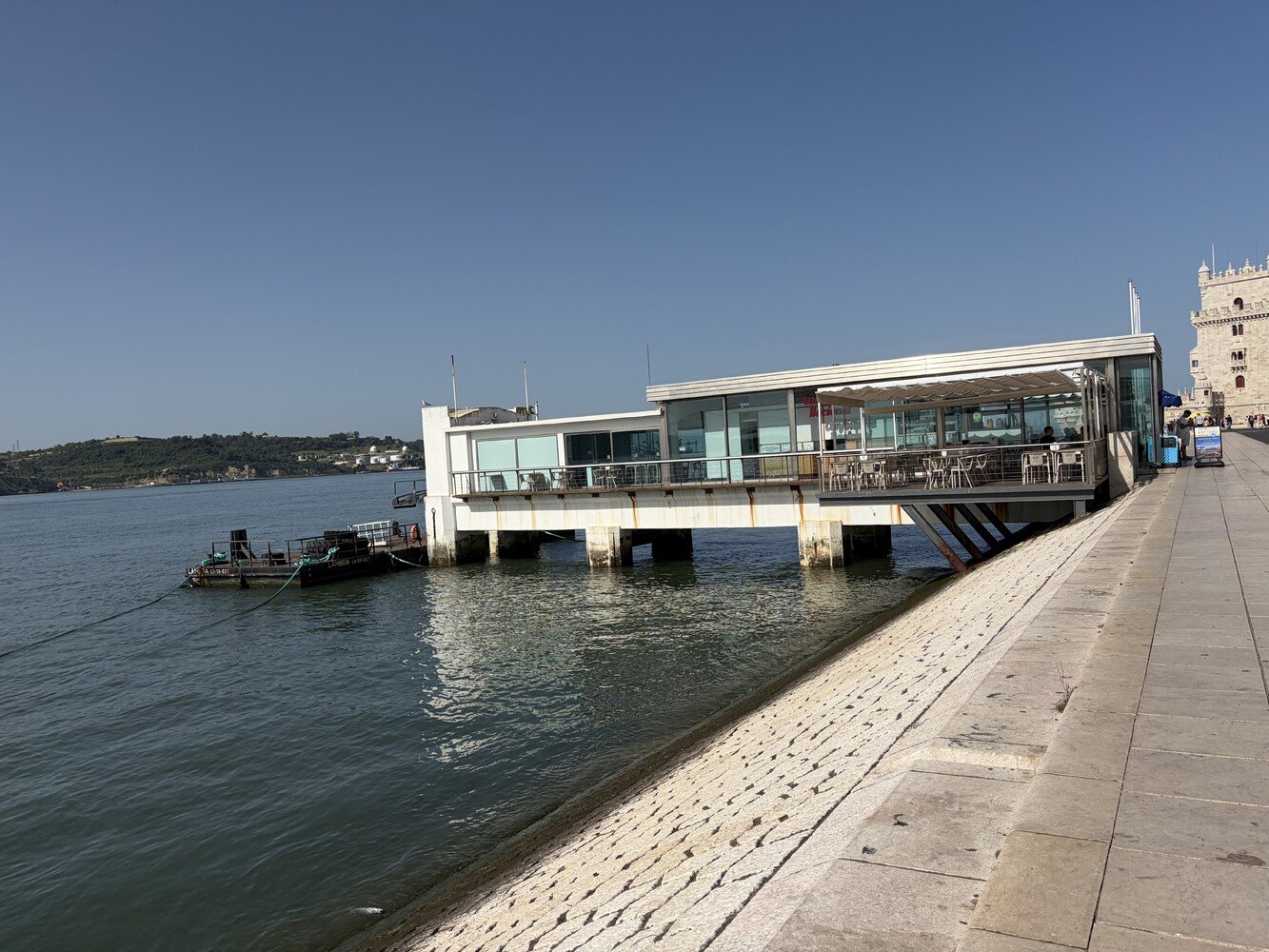
View of Confeitaria Nacional on the promenade in Belem
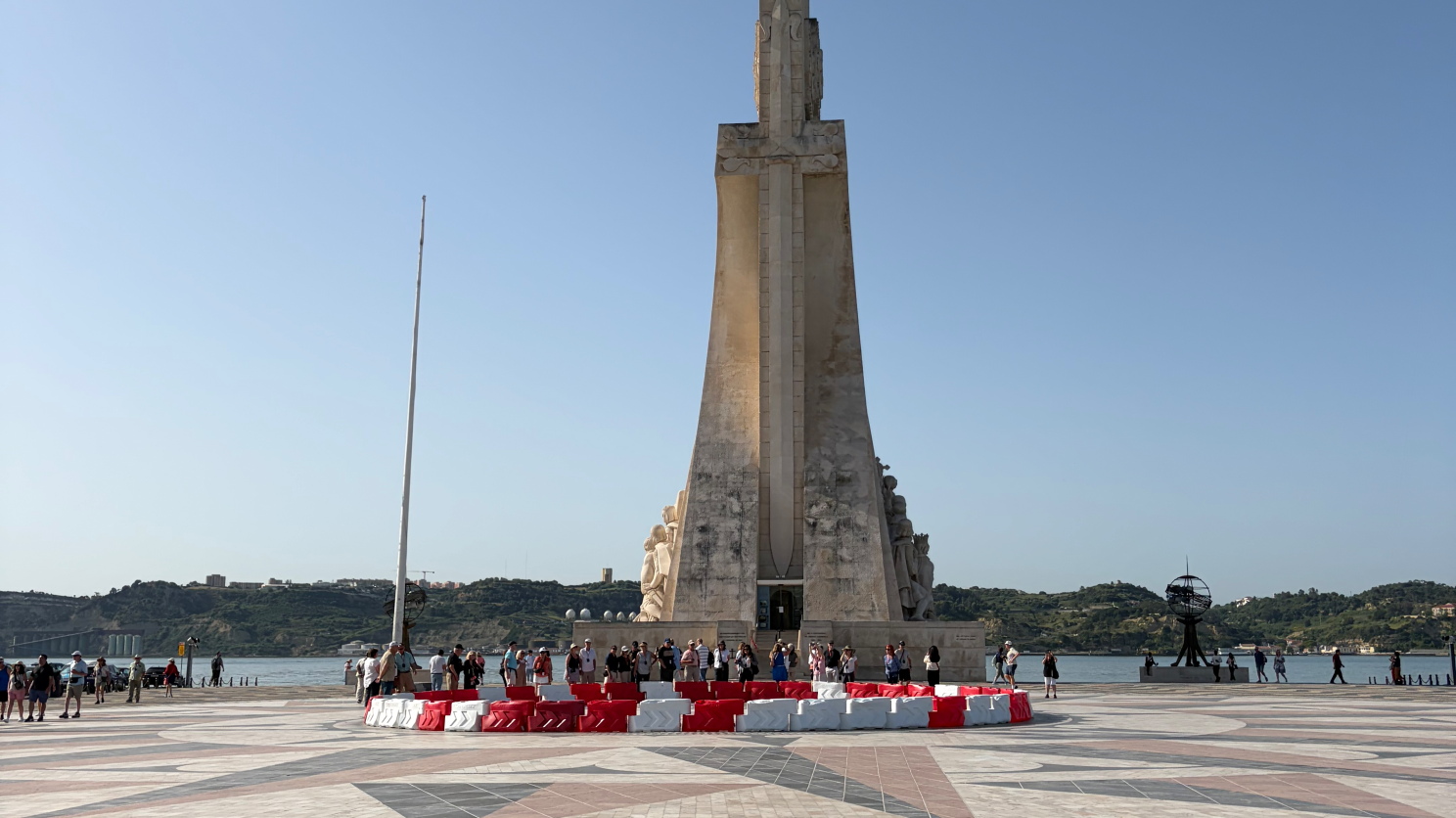
Rosa dos Ventos near the Monument to the Discoveries
They were built for everyone. Locals use them daily. They work there. They gather there. They celebrate there. They build businesses there. Visitors simply become part of the experience.
An interesting perspective: Portugal's population is more than double Alberta's, yet Alberta is over seven times larger geographically.
Portugal has learned how to make its public spaces work hard for its people.
And that's where the tourism lesson lives.
The question for communities isn't:
"How do we attract more visitors to our waterfront?"
It's: "How do we create a waterfront that locals can't imagine living without?"
Because visitors usually follow where locals already want to be.
That's what Portugal reminded me of.
And after this trip, that's what I know
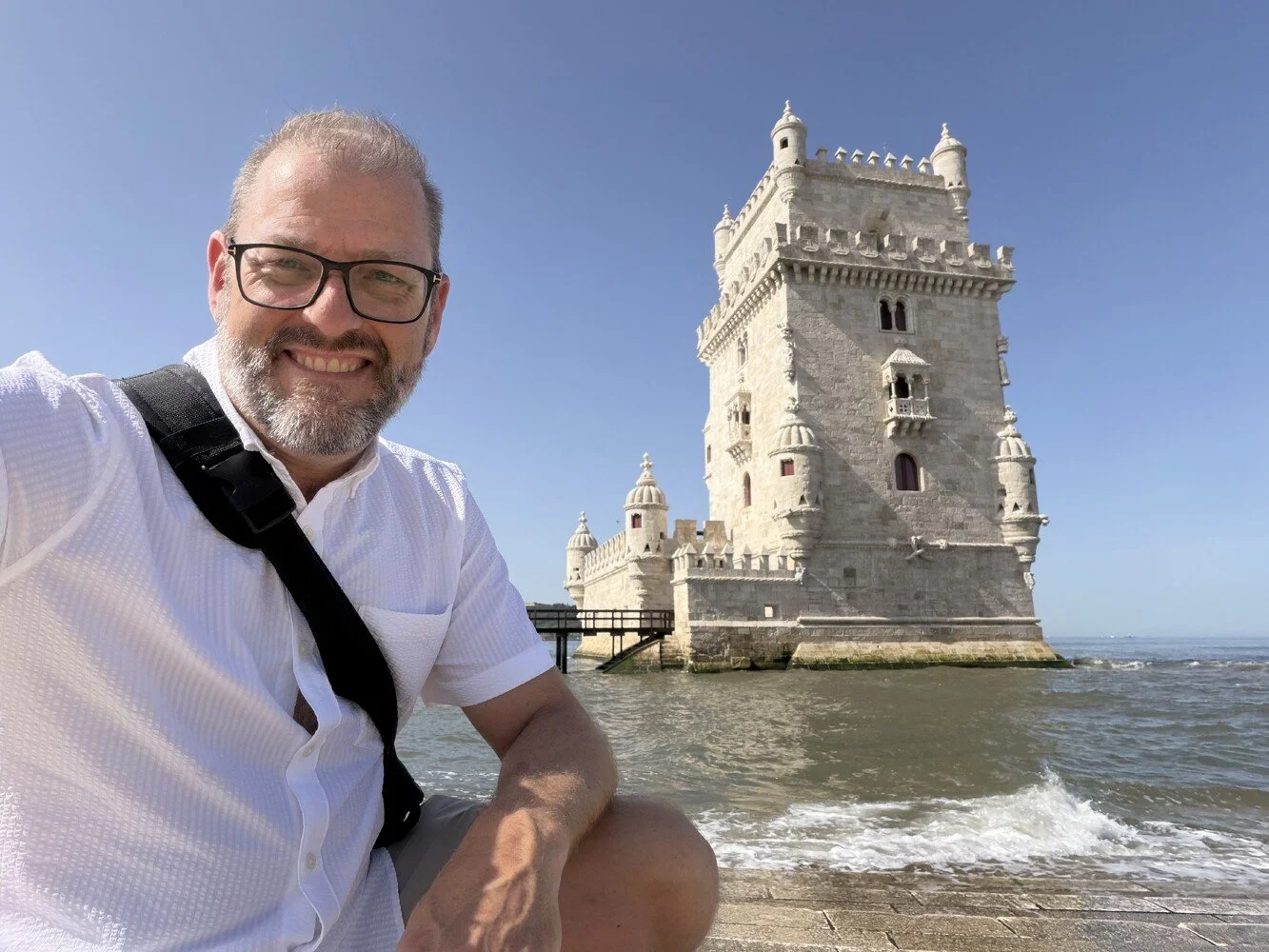
The Belem Tower, Belem, Portugal
