

What I Know: Building Reasons to Visit
Last week, I wrote that the next best attraction in many communities is already there—it just hasn't been recognized yet.
I strongly believe that.
Destinations often overlook their historic buildings, viewpoints, waterfronts, public spaces, and cultural landmarks because they're simply part of everyday life. Yet, once these places are identified, preserved, connected, invested and shared, they become attractions in their own right.
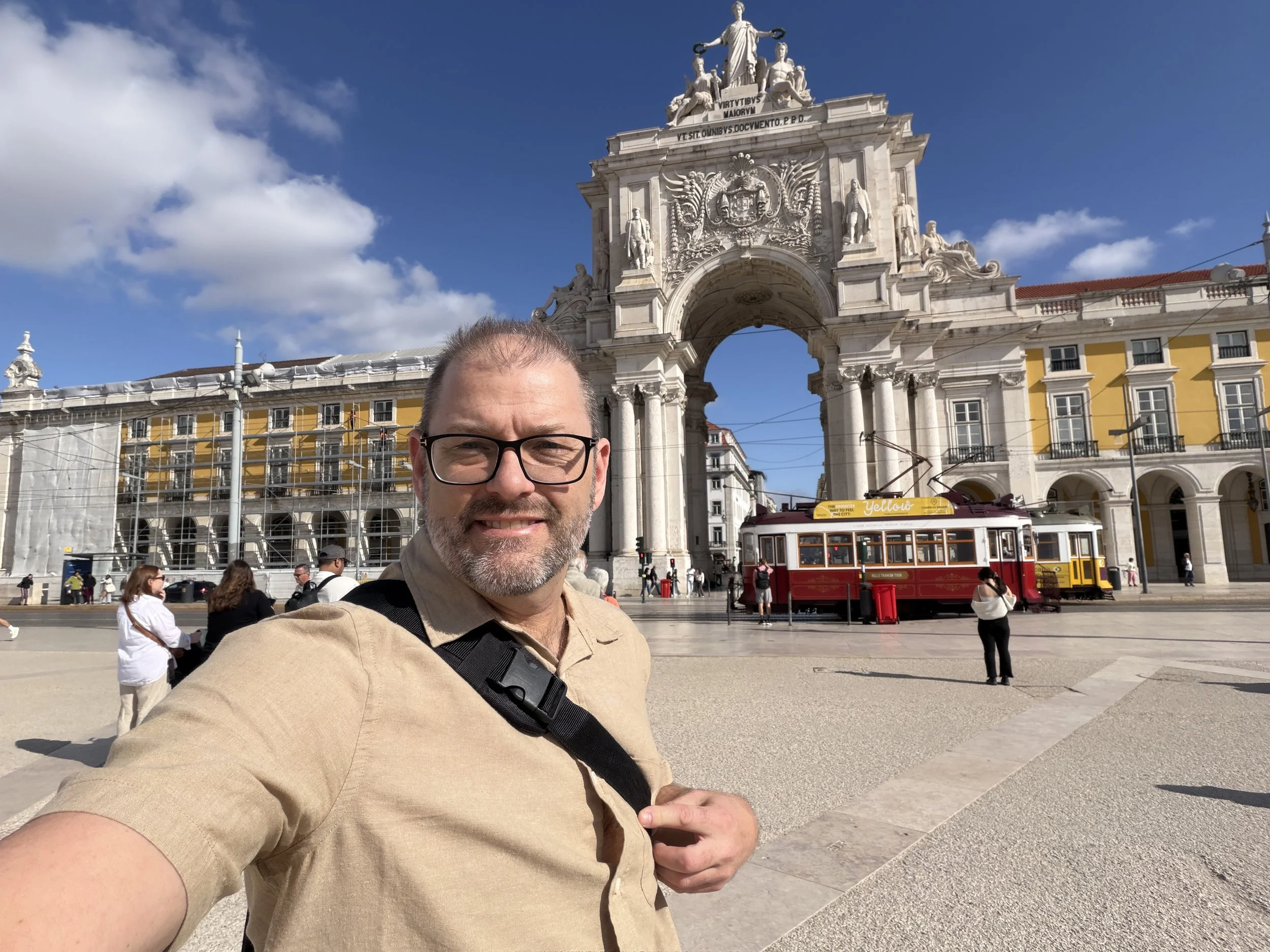
My recent trip to Portugal reinforced this for me. Time and again, I saw ordinary places transformed into extraordinary visitor experiences—not because they were newly built, but because they had been recognized, celebrated, and intentionally positioned.
There's a great deal communities can learn from that approach.
But recognition isn't the end of the conversation.
Sometimes it's the beginning.
Because once you identify what your destination already has, another question naturally follows:
What's missing?
Throughout my career working with tourism operators, municipalities, and destination organizations, I would often ask a simple question:
"If I were visiting for the first time, what would make me stay one more night?"
Sometimes the answer already existed. Other times, the answer revealed an opportunity that hadn't yet been developed.
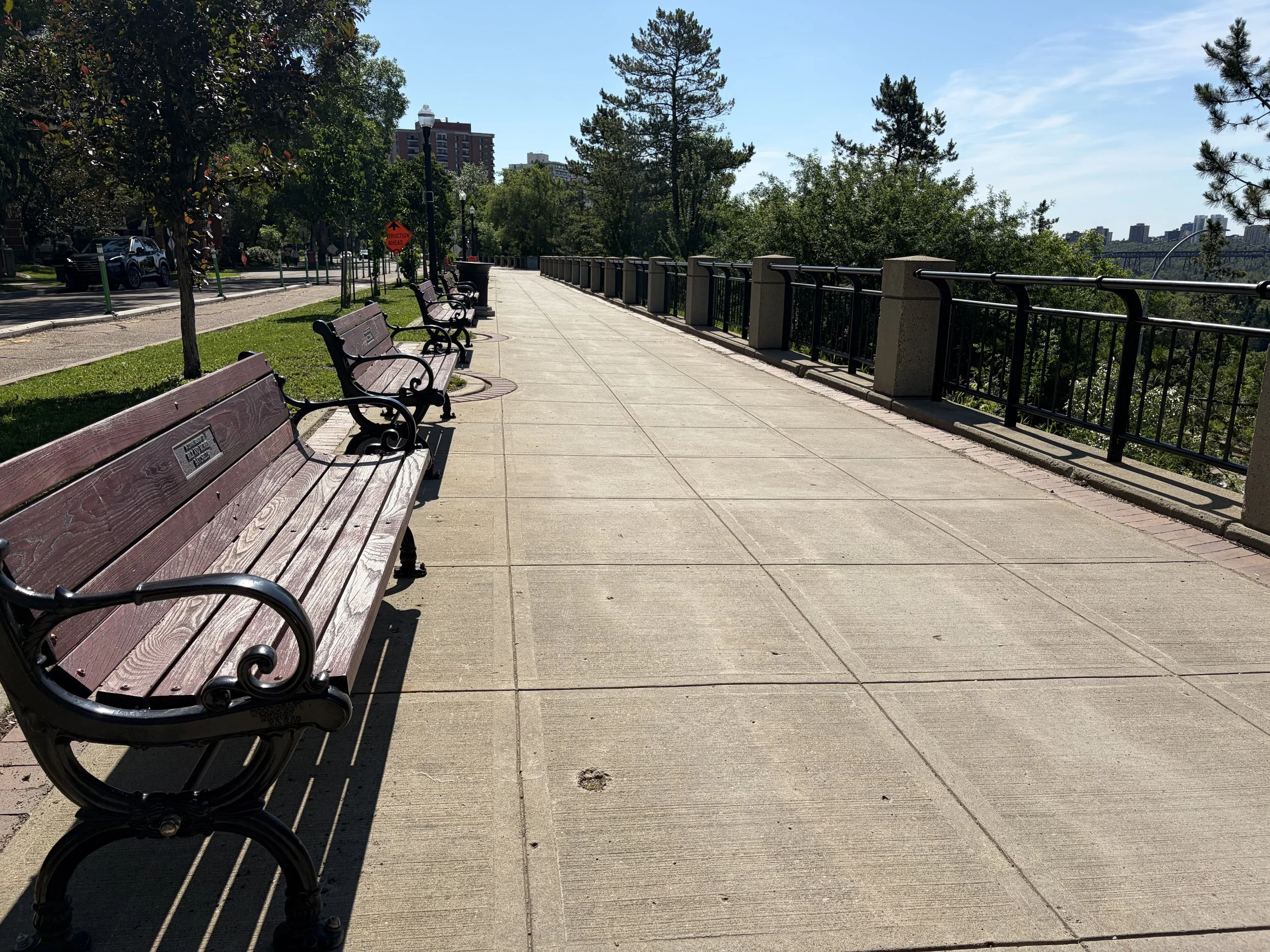
Some communities have incredible natural beauty but nowhere for visitors to gather. They have breathtaking views, yet no inviting place to pause and enjoy them.
Sometimes the answer isn't a multi-million-dollar attraction. It can be as simple as thoughtfully designed seating, landscaping, public art, a coffee kiosk, or a seasonal ice cream stand. In other places, the opportunity may be much larger— imagine a community initiating the development of a boutique café overlooking the vista, a licensed restaurant with an outdoor patio, or a signature public space that becomes a destination in itself.
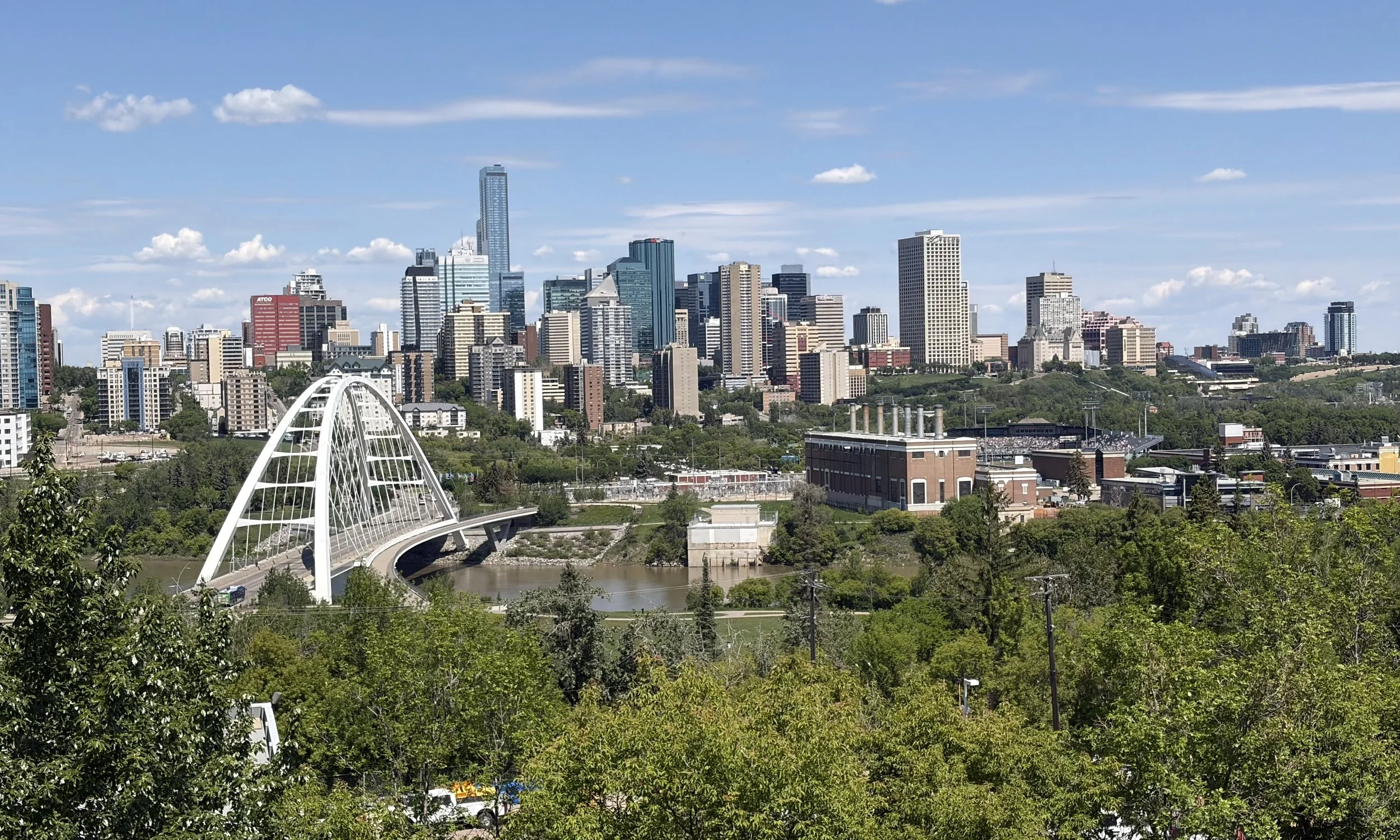
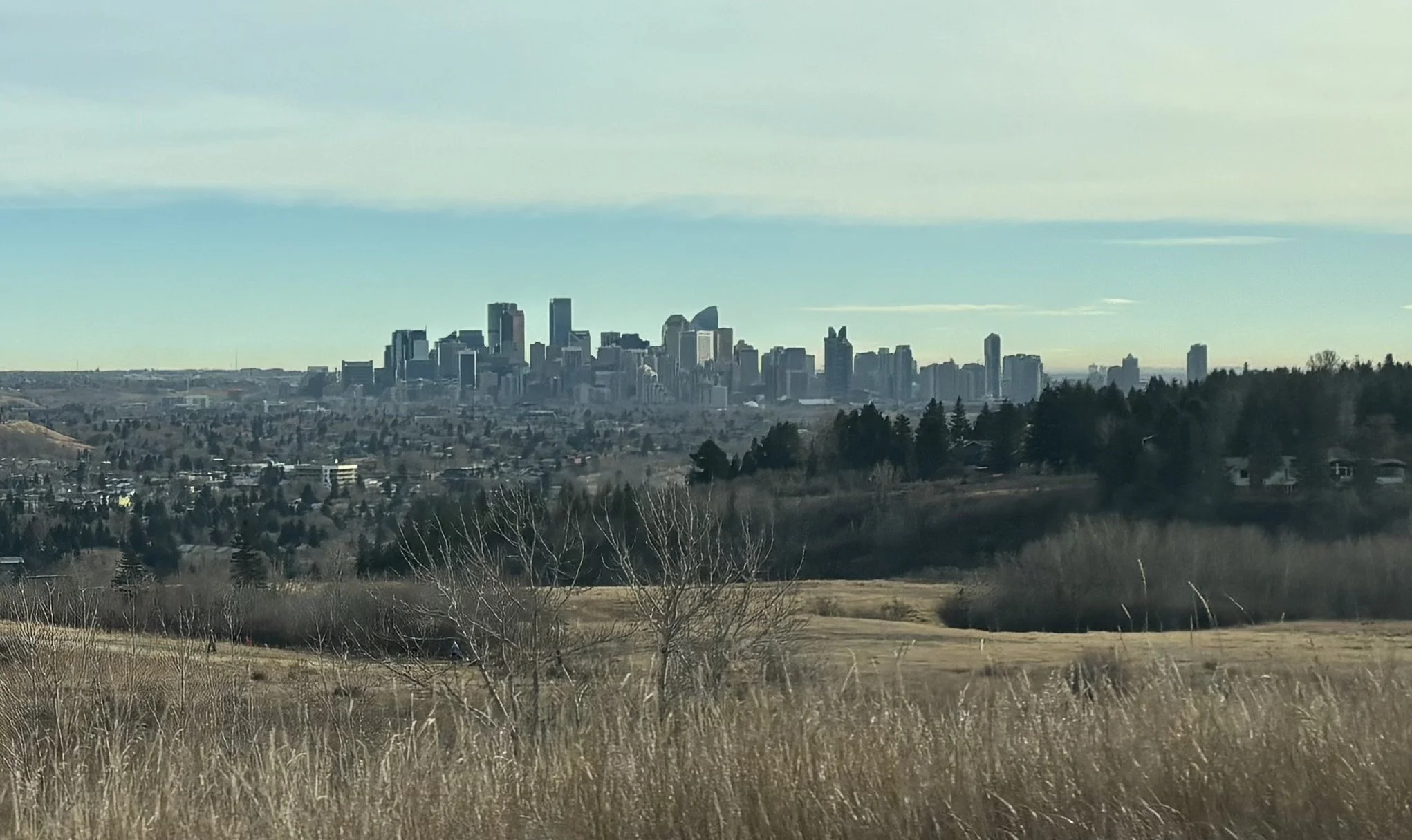
When working with operators or community leaders, I would often encourage them to step into the shoes of a visitor. Stand where they stand. Ask yourself, Would I stop here? Would I take a photo? Would I spend an hour here? Sometimes small enhancements create remarkable visitor experiences.
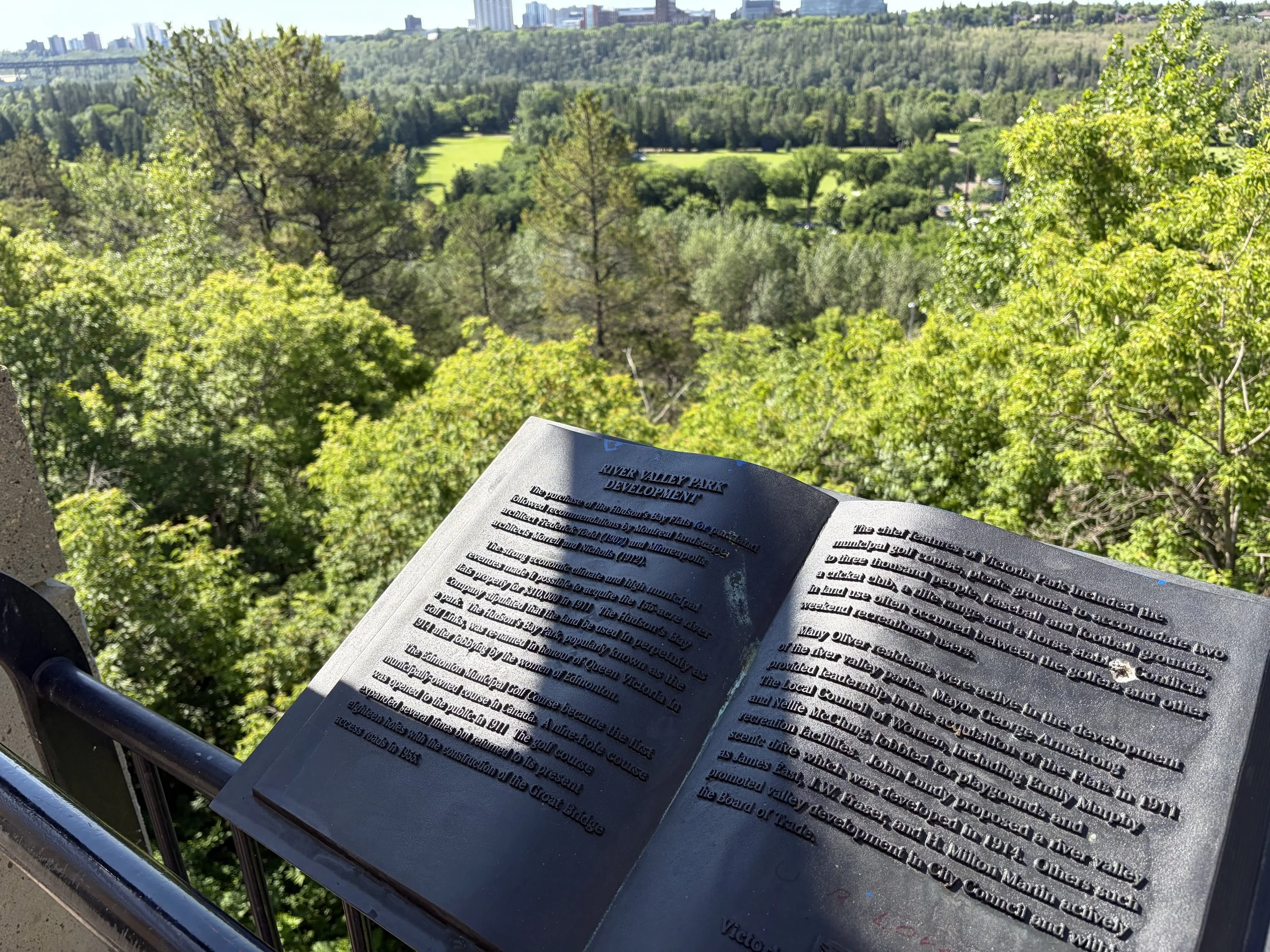
Other communities have fascinating history but no place that truly brings those stories to life. Heritage buildings sit empty, stories go untold, and visitors pass by without realizing their significance.
That's where vision and investment can change everything. Guided experiences, heritage preservation, adaptive reuse of historic buildings, and the creation of vibrant historic districts can breathe new life into a community while creating opportunities for entrepreneurs, residents, and visitors alike.
I frequently challenged communities to look beyond preserving history and instead ask how people could experience it. History has far greater value when visitors can walk it, hear it, taste it, and connect with it.
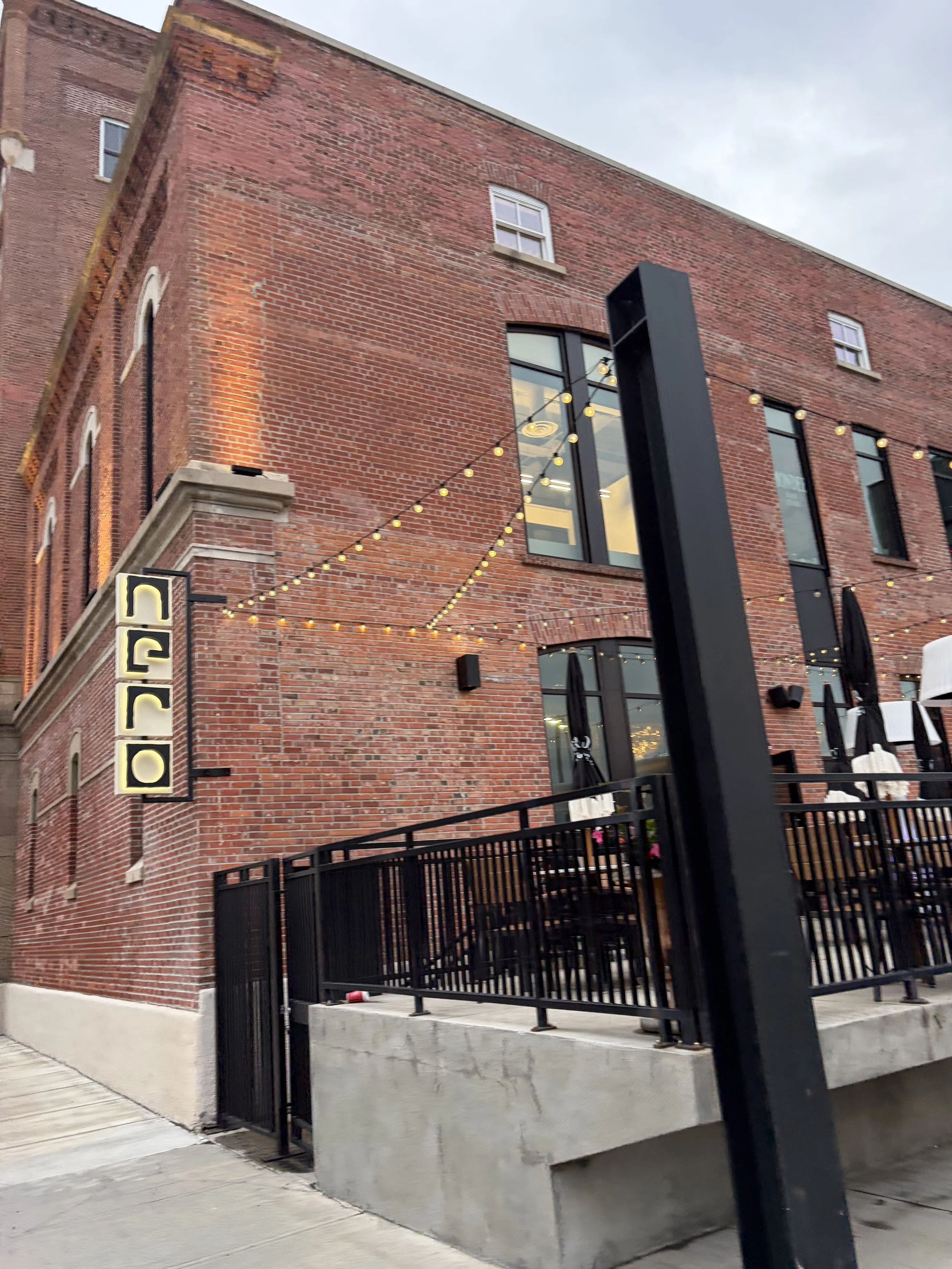
Some destinations have excellent accommodations but not enough experiences to encourage visitors to stay another day. Hotels, campgrounds, and lodges shouldn't simply be places to sleep—they can become launching points for guided tours, outdoor adventures, culinary experiences, Indigenous tourism, arts and culture, or seasonal events that encourage visitors to extend their stay.
One question I often asked accommodation operators was, "What happens after your guests check in?" If the answer was simply handing them a key, there was an opportunity. Accommodations shouldn't just sell rooms—they should help sell the destination.
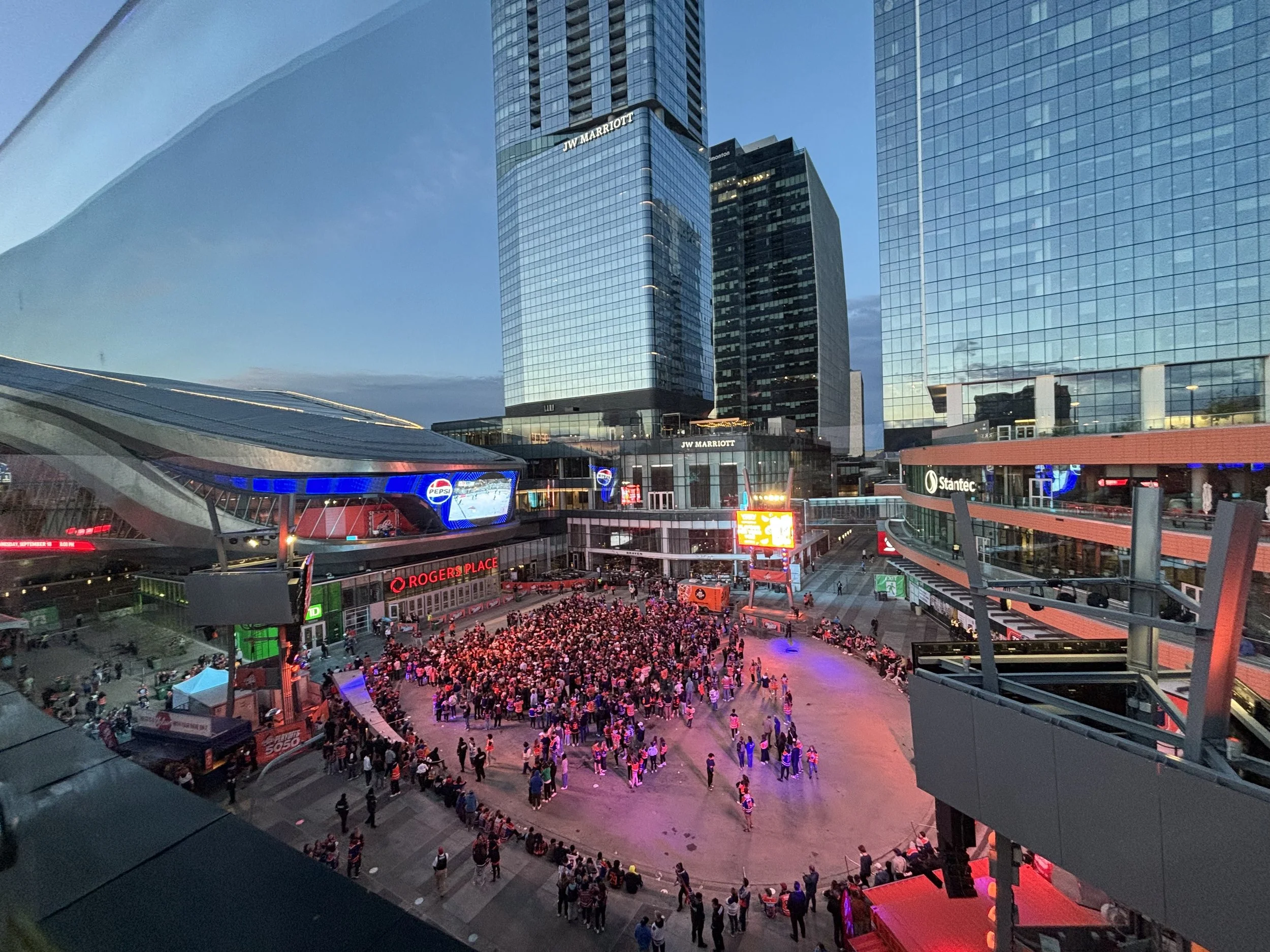
Others have vibrant downtowns but lack that one signature experience that motivates someone to make the trip. Sometimes the answer is creating a landmark attraction. Other times, it's transforming existing public spaces into places where people naturally gather—closing streets for festivals, expanding patios, programming live entertainment, improving parks and plazas, or making it easier for visitors to access downtown through convenient transportation and parking.
The opportunities look different in every community, but the question remains the same:
What would give someone one more reason to visit—and one more reason to stay?
Keep in mind, not every destination needs another museum.
Not every destination needs another glamping accommodation.
Not every destination needs another festival.
But every destination should honestly ask whether it has enough compelling reasons for someone to choose it over somewhere else.
Does your destination offer enough variety for someone to build a memorable itinerary?
Are there new experiences that would encourage past visitors to return?
When was the last time your community introduced a new attraction or significantly reinvented an existing one?
Whenever I worked with tourism businesses, I encouraged them to think beyond their own operation. The visitor doesn't experience your business in isolation—they experience the entire destination. Every attraction, restaurant, accommodation, event, and public space contributes to the overall impression.
Tourism is competitive.
Visitors have more choices than ever before.
Communities aren't just competing with their neighbours—they're competing with destinations around the world.
That means communities must constantly evaluate where the gaps and opportunities exist.
Sometimes the answer is better storytelling.
Sometimes it's better wayfinding.
Sometimes it's connecting experiences that already exist.
And sometimes the answer is strategic development and investment.
During destination planning sessions, I often encouraged communities not to ask, "What can we afford to build?" but rather, "What experience is missing?" Once that question is answered, the right investment often becomes much clearer.
That investment could come in the form of a boutique hotel, an adventure experience, a cultural centre, an Indigenous tourism experience, a waterfront redevelopment, an iconic public space, or a signature attraction that gives people a reason to stop, stay, and return.
What I know from years in destination development is this:
Tourism investments aren't simply visitor amenities—they're economic development projects.
They create jobs.
They support local businesses.
They diversify rural and regional economies.
They encourage entrepreneurship.
They attract private investment.
They expand a municipality's tax base.
They strengthen community pride.
And they create places that residents enjoy just as much as visitors.
Most importantly, they become catalysts for an entire visitor economy.
The best tourism investments aren't built in isolation.
They're built because a community understands its identity, recognizes its existing strengths, and knows exactly where the missing pieces are.
That's why destination development isn't about building attractions for the sake of building attractions.
It's about building what is needed and what matters.
It's about strengthening the visitor economy.
It's about diversifying a community's economy, expanding its tax base, creating employment opportunities, and generating economic activity that benefits residents every day—not just when visitors arrive.
Because once you've recognized everything your community already has, you'll know whether the next great attraction is waiting to be discovered...
...or waiting to be built.
What I know: Great destinations don't chase attractions.
They identify opportunities, create places people want to experience, and have the vision to invest in their future.
